
Your New Home Window Treatment Guide: What to Buy First
- Monarch

- 2 days ago
- 14 min read
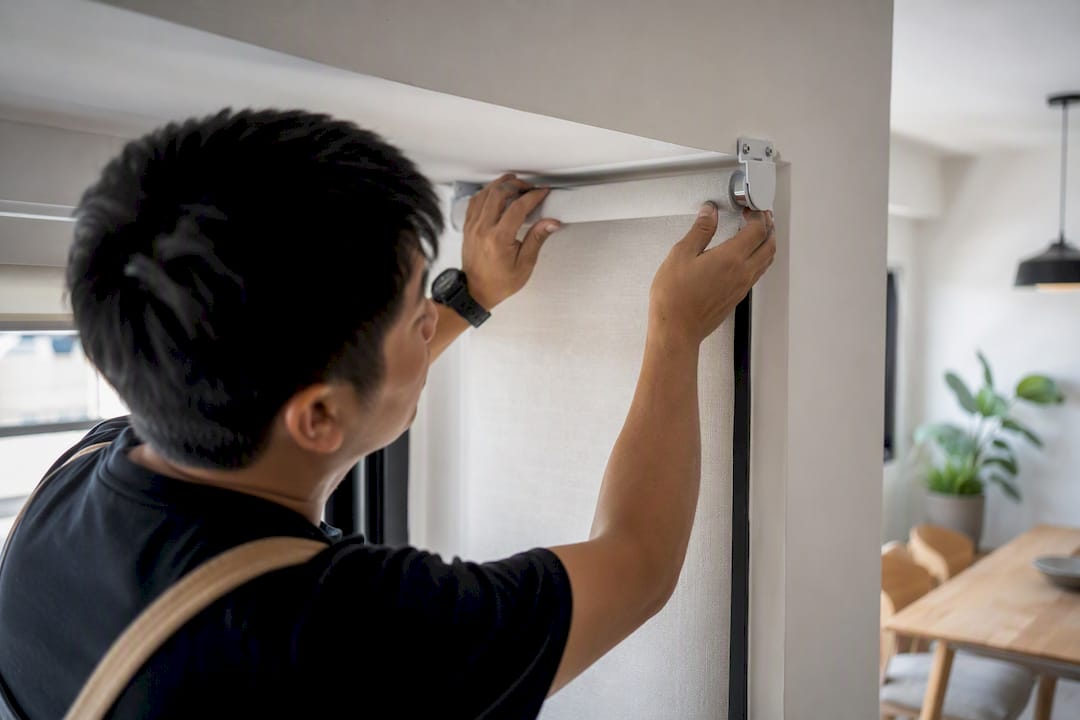
For most new homes, the winning formula is roller or solar shades as your functional backbone, blackout treatments in every bedroom, and drapery panels layered on top to finish the room. That combination solves light control, privacy, and style in one pass, and it works whether you’re furnishing a five-window great room or a single primary suite. The catch is timing: custom window treatments typically take 3 to 6 weeks to manufacture, so the clock needs to start well before your moving trucks arrive.
Here’s what to do this week:
Prioritize by exposure. Start with south or west-facing rooms and bedrooms, not hallways or guest rooms.
Book a measurement consult now. Aim for 6 to 8 weeks before move-in, with 4 to 6 weeks as the absolute floor.
Cover urgent windows temporarily. If you’re already living there, use tension-rod curtains or paper shades in bedrooms and street-facing rooms while your custom order is in production.
Pro Tip: Order your primary bedroom and any street-facing window first. Those two categories cause the most regret when homeowners wait too long and end up with bare glass for a month.
Key Takeaways
Coordinating window treatments around a construction timeline, rather than choosing fabrics first and scheduling second, is what separates a finished new home from one with bare glass for months.
Point | Details |
Start with the backbone | Choose roller or solar shades first, add blackout in bedrooms, then layer drapery for finish. |
Order early | Book your measurement consult 6 to 8 weeks before move-in since custom fabrication runs 3 to 6 weeks. |
Match material to room | Use moisture-rated fabric in kitchens and baths, cellular shades for insulation, and cordless mechanisms anywhere kids or pets are present. |
Mount high and wide | Install drapery hardware above and beyond the frame to make ceilings and windows look larger. |
Choose a coordinated installer | Monarch carpenters handles measuring, sourcing, and installation in-house, reducing the fit and timing errors that come from juggling separate vendors. |
Table of Contents
New Home Window Treatment Guide: The Main Types Explained
Every window treatment falls into one of seven broad categories, and each one solves a different combination of privacy, light control, insulation, and upkeep. Knowing which category matches your actual need saves you from buying the wrong thing twice.
Roller and solar shades are the workhorses of new construction. Designers routinely position them as the functional first layer, because they’re affordable, low-maintenance, and available in opacities from sheer to full blackout. If you buy nothing else for a window, this is what goes up first.
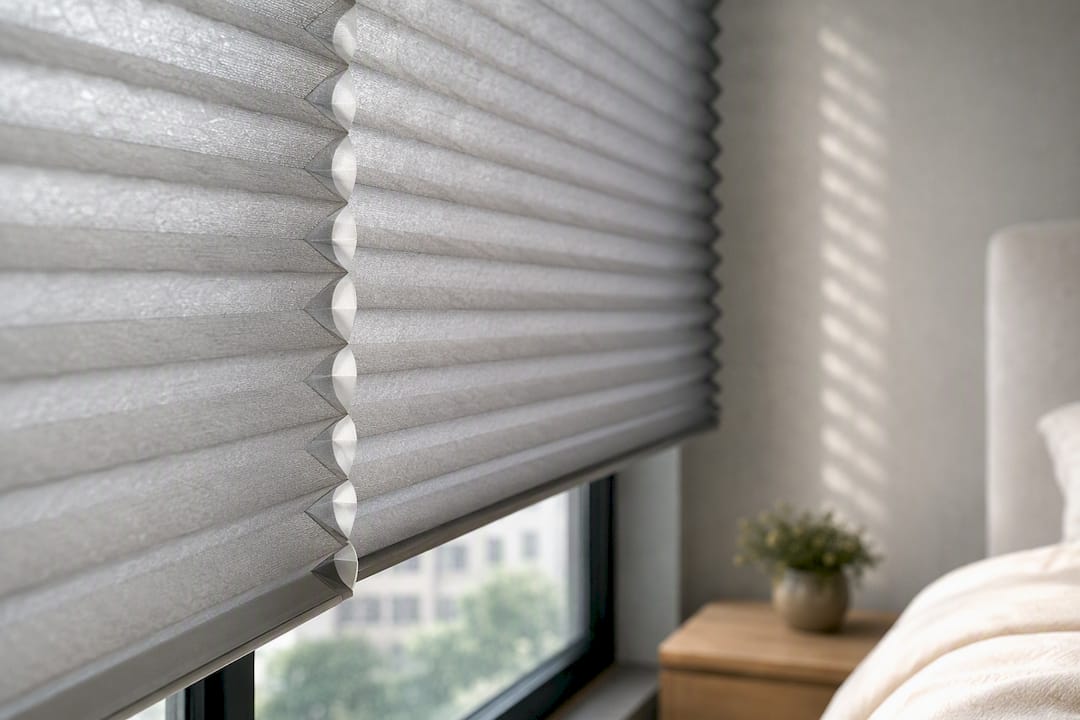
Cellular (honeycomb) shades trap air in their pocketed structure, giving them the best raw insulation value of any shade style. They suit home offices and bedrooms where you want both privacy and a tighter energy envelope.
Roman and woven wood shades bring texture and warmth without the bulk of drapery. They fold up cleanly and pair well with a more organic or transitional interior, though they typically cost more than a basic roller shade.
Wood and faux-wood blinds give you precise slat control for glare, which makes them a natural fit for home offices and kitchens where you’re adjusting light throughout the day rather than setting one position and leaving it.
Plantation shutters are the closest thing to a permanent architectural feature. They’re durable, add resale value, and handle humidity better than fabric, but they carry the highest upfront cost and the longest lead times.
Drapery panels rarely function alone in a new home. They’re the finishing layer, the piece that softens hard lines, absorbs sound, and pulls a room together visually, but you usually need a shade or blind underneath for actual light control.
Café curtains cover only the lower half of a window, which makes them the right call for a kitchen sink window or a bathroom where you want street privacy but still want light pouring in up top.
Valances are decorative toppers, not functional coverings on their own. They hide hardware and add a finished frame, which is why designers often pair them with a working shade underneath rather than use them solo.
The custom versus off-the-shelf decision usually comes down to three things: fit, finish, and budget. Off-the-shelf works fine for standard-sized windows in low-visibility rooms like a laundry room. Custom becomes worth the premium the moment you have an oversized window, an odd shape, or a room where the treatment is doing real design work, like a living room or primary bedroom.
Which Window Treatments Work Best in Each Room?
A new home rarely gets furnished all at once, so the smartest approach is treating each room as its own decision with its own priorities. Here’s how that plays out room by room.
Primary bedroom. Pair a blackout roller shade or interior shutters with drapery panels for both function and finish. This is the one room where light control isn’t negotiable, and layering gives you the flexibility to soften the room during the day while blocking every bit of streetlight at night.
Living room or great room. Solar shades cut glare and UV without blacking out your view, and drapery panels add the visual cohesion that ties the space to the rest of your décor. Layering shades with drapery lets shades handle the daytime light shifts while drapery provides the finish, sound absorption, and privacy a great room needs once the sun goes down.
Home office. Solar screens or adjustable shutters reduce glare on a monitor without sacrificing the view you’re paying for. Full blackout is overkill here; you want control, not darkness.
Kitchen and bathroom. Stick to moisture-rated roller shades or composite shutters that resist humidity and mildew. Café curtains work well over a kitchen sink or in a bathroom where you want privacy below eye level but still want natural light above it.
Kids’ rooms. Go cordless or motorized, full stop, and pair that with blackout fabric to protect sleep schedules. This is the one category where the safety decision and the function decision point the same direction.
Budget or timing constraints are normal in a new home, so a phasing strategy helps. Cover bedrooms and any street-facing rooms first, since those carry the most privacy urgency. Living areas and the kitchen come next, and low-visibility spaces like a laundry room or guest bath can wait months without anyone noticing.
Pro Tip: If you can only afford one room this month, choose the primary bedroom. It’s the room where bare windows cost you sleep, not just style points.
How Do You Measure and Order Window Treatments for a New Home?
Measuring wrong is the single most common reason custom orders arrive unusable, and it’s almost always avoidable with three simple habits.
Measure three times, in three spots. Take width measurements at the top, middle, and bottom of the window frame, and use the smallest number for an inside mount. Frames on new construction are rarely perfectly square, so one measurement isn’t enough.
Decide inside versus outside mount before you measure. Inside mount sits within the window frame for a clean, built-in look, but it requires at least 2.5 inches of depth. Outside mount extends beyond the frame, which is the better choice when you want to maximize light, disguise an oddly shaped window, or need extra depth for blackout lining.
Round correctly for the mount type. Round down for inside mount width so the shade clears the frame; round up slightly for outside mount so coverage extends past the glass on all sides.
Custom fabrication generally runs 3 to 6 weeks, and designers recommend starting the process 6 to 8 weeks before your closing date for new construction, with 4 weeks as the bare minimum for simpler orders. If your closing date shifts, which happens often in new construction, communicate the change to your installer immediately rather than waiting until the scheduled measurement date.
If you’ve already moved in without treatments on order, temporary paper shades or tension-rod curtains in bedrooms and bathrooms buy you privacy while the real order works through production.
Statistic Callout: Custom window treatments take 3 to 6 weeks to manufacture on average. Starting the process 6 to 8 weeks before move-in gives you a buffer if fabric is backordered or a measurement needs a redo.
What Fabric and Opacity Should You Choose?
Fabric choice determines how a room feels at every hour of the day, and getting it wrong is a more expensive mistake than most people expect once you’ve paid for a custom order.
Sheer fabrics filter light without blocking it, softening a room’s edges while still letting you see silhouettes and movement from outside. They work best layered with a solid backing in living rooms, never alone in a bedroom.
Solar screens cut glare and block a meaningful share of UV rays while preserving your outdoor view, which makes them the default choice for living rooms, home offices, and any room where you don’t want total darkness.
Blackout linings eliminate nearly all incoming light and are non-negotiable for bedrooms and any room with a shift-work sleeper.
Woven woods bring texture and a natural look but offer only moderate light control, so they suit dining rooms and entryways more than bedrooms.
Insulation matters more in a new build than most homeowners assume, since window treatments are one of the cheapest energy upgrades available. Cellular shades and thermal-lined drapery both trap air against the glass; when comparing vendors, ask about lining weight and layer count rather than expecting a formal R-value rating, since most residential fabric lines don’t test to that standard.
For kitchens and baths, moisture-rated materials resist humidity and mildew far better than standard fabric.
For south and west-facing rooms, ask about UV-resistant or fade-treated fabric to protect both the treatment and your furniture from sun damage.
Our guide to natural light and home design covers how these choices interact with a room’s overall light plan in more depth.
What Window Treatment Styles Are Trending in 2026?
Designers are pointing to six clear directions for 2026 window treatments: drapery matched to wall color, ripple fold panels, updated pinch pleats, café curtains, shorter drapes, and taller, more sculptural valances.
Ripple fold drapery glides on a track and forms uniform S-shaped waves, which reads as clean and contemporary rather than fussy. Matching drapery to your wall color, rather than contrasting it, creates an immersive effect, though designers note that a close tonal match or subtle texture often reads better than an exact match.
Two styling rules do more work than any trend chart. First, mount drapery hardware higher and wider than the window frame to make ceilings look taller and windows look larger. Second, layer with intent: sheers closest to the glass, shades inside the window reveal, and drapery outside on the wall.
Pro Tip: Panels should measure roughly 2 to 2.5 times the window width for proper fullness when closed. Skimping on width is the fastest way to make custom drapery look like an off-the-shelf afterthought.
Should You Install Window Treatments Yourself or Hire a Pro?
Surface mounting attaches brackets directly to the wall or trim, which is more forgiving of measurement error. Recess mounting sits inside the window frame for a built-in look but demands precise measurements and adequate frame depth.
Motorization is worth serious consideration in new construction specifically because running wiring during the build is simpler and cheaper than retrofitting it later. If motorization is even a maybe for your primary bedroom or a hard-to-reach great room window, flag it with your builder before drywall goes up.
Hire a professional for tall windows, multi-window banks, or any ripple fold or track system, since alignment errors are hard to fix after installation.
DIY works fine for single standard-sized windows with basic roller shades or blinds.
Check hardware warranties before installing, and keep tracks and motorized components dusted to avoid premature wear.
Our guide to ergonomics in home design has more on planning operable hardware for everyday ease of use.
Why New Homeowners Trust Monarch Carpenters for Window Treatments
Monarch carpenters approaches window treatments as part of a coordinated interior, not a standalone purchase, which is why clients bring us in alongside cabinetry, millwork, and furniture planning. Our in-house design and carpentry team measures once and installs once, cutting the back-and-forth that usually stretches a new-home fit-out.
Homeowners consistently tell us the same thing: they expected to choose between good design and a reasonable budget, and were surprised that a coordinated, design-build approach delivered both without the usual trade-off.
That balance between finish quality and modest cost is the foundation Monarch carpenters was built on.
How Do You Keep Window Treatments Looking New?
Maintenance needs vary sharply by material, and mismatching your cleaning method to your fabric is the fastest way to shorten a treatment’s lifespan.
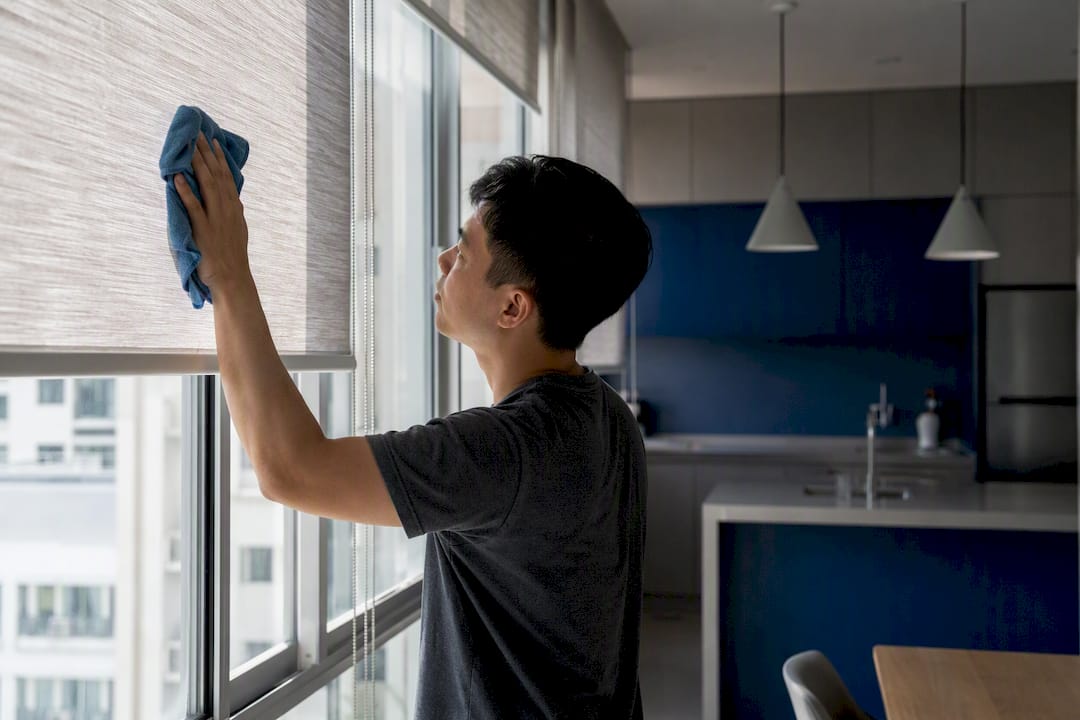
Roller and solar shades need only a monthly wipe with a microfiber cloth or a quick vacuum on the low setting; avoid soaking the fabric, which can warp the roll.
Cellular and pleated shades trap dust in their folds, so a vacuum with a brush attachment held slightly away from the fabric works better than direct contact, which can crush the pleats.
Drapery panels vary by fabric. Cotton and linen blends often tolerate gentle machine washing on cold, while silk and heavier weaves need dry cleaning to avoid shrinkage or water spotting.
Wood and faux-wood blinds should be dusted weekly with a dry cloth, slats closed, then wiped with a barely damp cloth every few months. Real wood should never get soaked, since moisture warps slats permanently.
Plantation shutters hold up to the most aggressive cleaning of any category. A damp cloth and mild soap handle most grime, and the louvers can be removed for a deeper clean if needed.
Kitchen and bathroom treatments need more frequent attention because grease and humidity accelerate buildup; wipe moisture-rated rollers every two weeks rather than monthly.
Set a seasonal reminder rather than waiting for visible dust. Treatments that get regular light maintenance last years longer than ones cleaned only when they look obviously dirty.
Do Window Treatments Actually Lower Energy Bills?
Window treatments function as a thermal buffer between glass and room air, and in a climate with real seasonal swings, that buffer shows up directly on your heating and cooling bills.
Cellular shades perform best here because their honeycomb structure traps a layer of still air against the glass, which slows heat transfer more effectively than a flat fabric panel. In winter, that means less cold air radiating into the room; in summer, it means less heat bleeding through on hot afternoons.
Thermal-lined drapery works on the same principle from the outside layer, adding mass and an extra air gap. Pairing a cellular shade with thermal drapery, one of the layering combinations designers favor for other reasons, delivers the strongest energy performance because you’re stacking two insulating layers instead of relying on one.
Solar shades, by contrast, aren’t primarily insulation tools. Their job is blocking UV and glare, and while a tightly woven solar fabric helps somewhat with heat gain in summer, it does far less for winter heat loss than a cellular shade or a lined drape.
South and west-facing rooms benefit the most from this kind of upgrade, since they absorb the bulk of a home’s solar heat gain. If you’re only budgeting for insulation-driven treatments in one or two rooms first, put them there. Our piece on green renovation practices covers how these material choices fit into a broader energy strategy for a new build.
Are Cordless Blinds Safer for Kids and Pets?
Corded blinds and shades carry a documented strangulation risk for young children and pets, which is why cordless and motorized options have become the standard recommendation for any home with kids under six or curious animals.
Cordless shades operate with a spring mechanism or a simple pull, removing the dangling cord entirely. Motorized shades go a step further, controlled by remote, wall switch, or smartphone app, so there’s no cord and no manual mechanism within reach at all.
If you already own corded treatments and aren’t ready to replace them, cord cleats and cord shorteners reduce risk significantly, but they’re a stopgap, not a permanent fix. For kids’ rooms and playrooms specifically, cordless or motorized should be treated as the default rather than an upgrade.
Pets introduce a different set of concerns. Cats and dogs chew on cords, claw at fabric hems, and can knock loose bottom rails on lightweight shades. Durable, tightly woven fabrics and cordless mechanisms hold up better against both bites and scratches than delicate sheers or dangling pull chains.
Bathrooms and kitchens deserve the same safety scrutiny as bedrooms if young kids use those rooms unsupervised. A cordless roller shade over a kitchen sink window costs little more than a corded one and removes a hazard that’s easy to overlook once you’ve already child-proofed the obvious rooms like the nursery.
How Much Should You Budget for Window Treatments?
Cost scales with three variables: window size, fabric or material choice, and whether you’re buying off-the-shelf or custom. A standard-sized window with a basic roller shade sits at the low end of the spectrum, while a large, oddly shaped window fitted with motorized ripple fold drapery and blackout lining sits at the high end.
Budgeting room by room, rather than trying to cover the whole house at once, keeps costs manageable and lets you prioritize where the money matters most. Bedrooms and living areas justify the higher-end fabric and motorization spend; guest baths and laundry rooms generally don’t.
A few budgeting habits make a real difference:
Order the layered look (shade plus drapery) only in rooms where both function and finish matter; a single shade is enough in low-visibility spaces.
Ask your installer about bundling multiple rooms into a single order to reduce per-window fabrication and installation costs.
Treat plantation shutters and motorization as investments in rooms you’ll use for years, not blanket purchases across the whole house.
Leave a buffer in your budget for hardware, since brackets, tracks, and mounting components for ripple fold or motorized systems add up beyond the fabric price.
A design-build approach, where one team handles measurement, sourcing, and installation together, tends to reduce the hidden costs that come from mismatched vendors, duplicate measurement visits, or fabric ordered before finishes were finalized.
A Practical Take on Getting This Right
Most new homeowners overthink the first decision and underthink the timeline. Start with the primary bedroom and any sun-exposed living space; those are the rooms where bare windows cost you sleep and comfort, not just style points. Book a measurement consult as early as you can stomach it, and order the highest-priority windows first rather than waiting to finalize every room at once.
A coordinated, floor-to-ceiling finish is achievable on a modest budget. The trick isn’t spending more, it’s sequencing correctly.
Get Your Windows Measured and Styled by Monarch Carpenters
Most new homeowners juggle separate vendors for measuring, fabric sourcing, and installation, which multiplies the chances of a mismatched fit or a missed deadline before move-in. Monarch carpenters folds design, carpentry, and installation into one in-house process, so your windows get measured once, ordered once, and installed by the same team that designed the rest of your space.

That single-team model is also how we keep costs modest without cutting corners: no duplicate consultation fees, no coordination gaps between a designer and a separate installer, and no guesswork about how your drapery will look against cabinetry we’re also building. If your move-in date is already on the calendar, book a design consultation with Monarch carpenters now, before the 6 to 8 week production window starts working against you.
Sources
For deeper research on measuring, timelines, and current styles, these sources back the recommendations throughout this guide.
FAQ
What Is the New Trend for Window Treatments?
The clearest 2026 direction is drapery that closely matches wall color for an immersive look, paired with ripple fold panels, updated pinch pleats, café curtains, and taller valances, according to designers surveyed by Good Housekeeping.
Should Blinds Be Lighter or Darker Than Curtains?
There’s no universal rule, but designers generally recommend blinds or shades in a lighter, more neutral tone since they’re the functional daytime layer, while drapery can carry richer color or pattern as the decorative finish.
What Window Treatments Are in Style in 2026?
Ripple fold drapery, wall-matched drapery color, updated pinch pleats, café curtains, shorter drapes over built-ins, and taller sculptural valances are the six trends designers are highlighting this year.
What Are the Most Modern Window Treatments?
Ripple fold drapery on a track system reads as the most contemporary option currently trending, alongside motorized solar shades that combine a clean look with app-based control.
How Far in Advance Should I Order Window Treatments for a New Home?
Start the process 6 to 8 weeks before move-in, since custom fabrication typically takes 3 to 6 weeks and you’ll want a buffer for any measurement corrections.
Recommended
Comments