
What Is Contemporary Interior Design for Singapore Homes

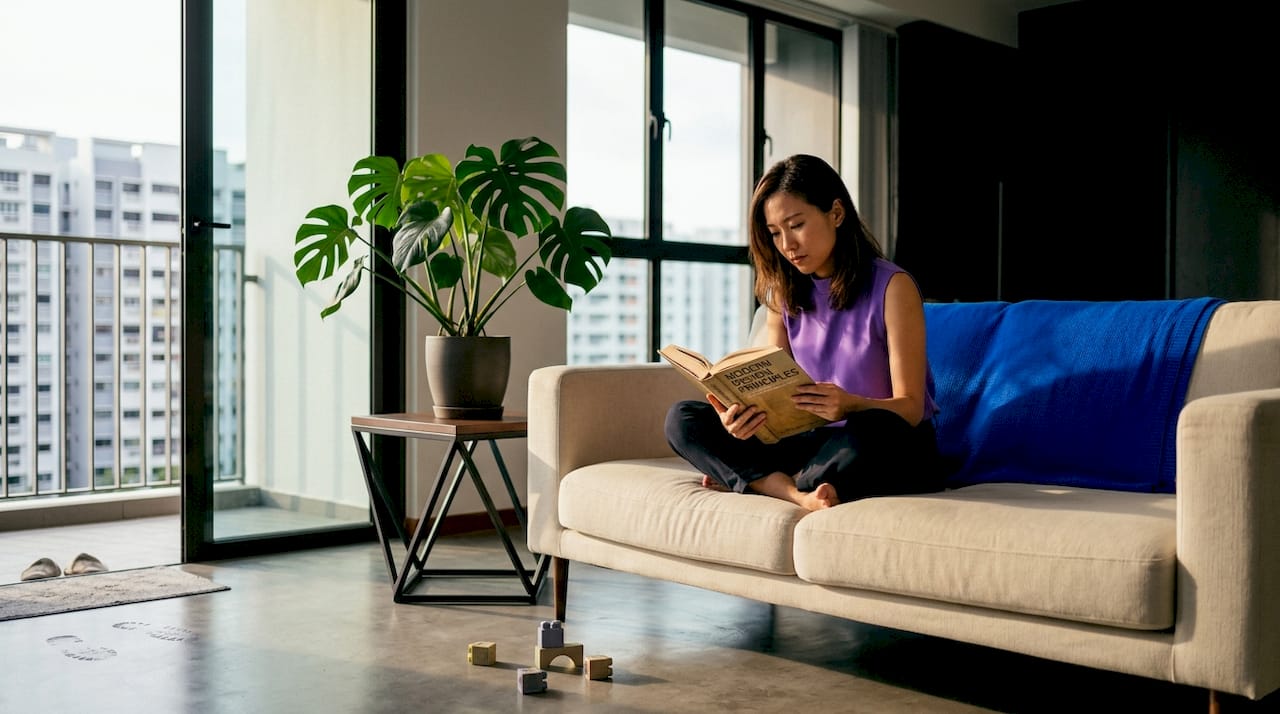
Most homeowners in Singapore use “modern” and “contemporary” as if they mean the same thing. They don’t. Understanding what is contemporary interior design means recognizing it as a living, evolving approach rather than a fixed historical style. It borrows from minimalism, modernism, and global influences, then reshapes them around how people actually live today. This guide breaks down the core principles, practical applications, and common mistakes so you can make confident, well-informed decisions about your own space.
Table of Contents
Key takeaways
Point | Details |
Contemporary is not “modern” | Modern is a fixed historical era; contemporary reflects the present moment and keeps evolving. |
Clean lines plus warmth | Strong visual lines and neutral palettes work best when layered with texture and honest materials. |
Sustainability is built in | Eco-conscious materials and smart-home technology are now core features, not optional add-ons. |
Flexibility is the real strength | Start with a solid architectural framework and update accents over time as your taste changes. |
Avoid the showroom trap | Texture, lighting, and deliberate personal accents prevent a contemporary space from feeling sterile. |
What contemporary interior design actually means
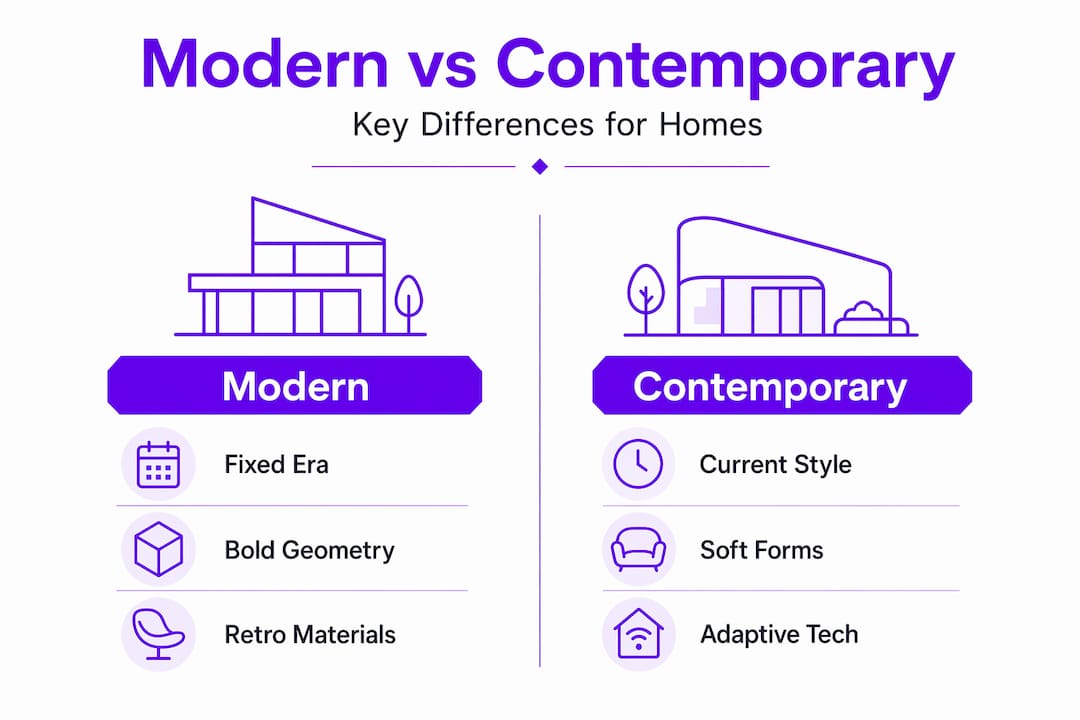
Here is the misconception that trips up nearly every homeowner starting a renovation: modern and contemporary are not the same. Modern interior design refers to a specific historical movement rooted in the early-to-mid 20th century. It has a defined aesthetic, a fixed set of rules, and it does not change. Contemporary design, by contrast, is of the present moment and evolves continuously by absorbing influences from modernism, minimalism, Scandinavian design, and whatever else is shaping how people live right now.
The style began taking shape in the 1970s, drawing heavily from the clean geometry of modernism while softening its rigidity. Over the following decades it absorbed elements from postmodernism, deconstructivism, and eventually the sustainability movement. What makes it distinct is precisely this fluidity. It is not anchored to any single decade or manifesto.
For Singapore homeowners, this distinction matters practically. If you tell a designer you want a “modern” home, you may end up with something that references Bauhaus or mid-century aesthetics, complete with teak sideboards and tulip chairs. If you want something that reflects how you live in 2026, with smart lighting, open layouts, and materials that age well in a tropical climate, contemporary design is the more accurate brief.
Here is a quick comparison to keep the terminology clear:
Feature | Modern design | Contemporary design |
Time period | Early-to-mid 20th century | Present and evolving |
Flexibility | Fixed aesthetic rules | Fluid, absorbs new influences |
Materials | Natural wood, leather, wool | Mixed: concrete, glass, reclaimed wood, metals |
Technology | Not a factor | Smart-home integration is central |
Mood | Warm, structured | Clean, calm, adaptable |
Core principles that define the contemporary look
Contemporary design aims for calm, functional, and visually balanced rooms that prioritize clarity and intention over decoration. That philosophy shapes every decision, from the ceiling height to the door hardware.
The most recognizable features include:
Clean, strong lines with occasional curvilinear forms. Arched doorways and rounded furniture edges are common in current contemporary interiors, softening what would otherwise feel too rigid.
Neutral base palettes built on whites, grays, taupes, and warm beiges, with bold accents introduced selectively. Black is a particularly popular contemporary accent because it adds definition without competing with the overall calm.
Open, airy layouts that maximize natural light and create visual continuity between spaces. In Singapore’s compact HDB and condominium units, this principle does real work.
Honest, tactile materials including wood, stone, polished concrete, glass, and mixed metals. These materials are chosen because they age well and carry their own visual weight without needing embellishment.
Statement lighting used as a focal point rather than pure function. Lighting can range from a dramatic pendant over a dining table to layered recessed fixtures that shift the mood of a room entirely.
Minimal clutter with every object earning its place. This is not about emptiness. It is about intention.
The approach also accounts for how spaces are used across different times of day. A contemporary living room in Singapore might double as a workspace, a media room, and a social space. The design needs to support all three without looking like it was designed for any one of them specifically.
Pro Tip: When selecting a neutral base color for a contemporary interior in Singapore, factor in your natural light conditions. North-facing rooms often read cooler, so a warm white or greige will prevent the space from feeling clinical.
Adaptability, sustainability, and smart-home integration
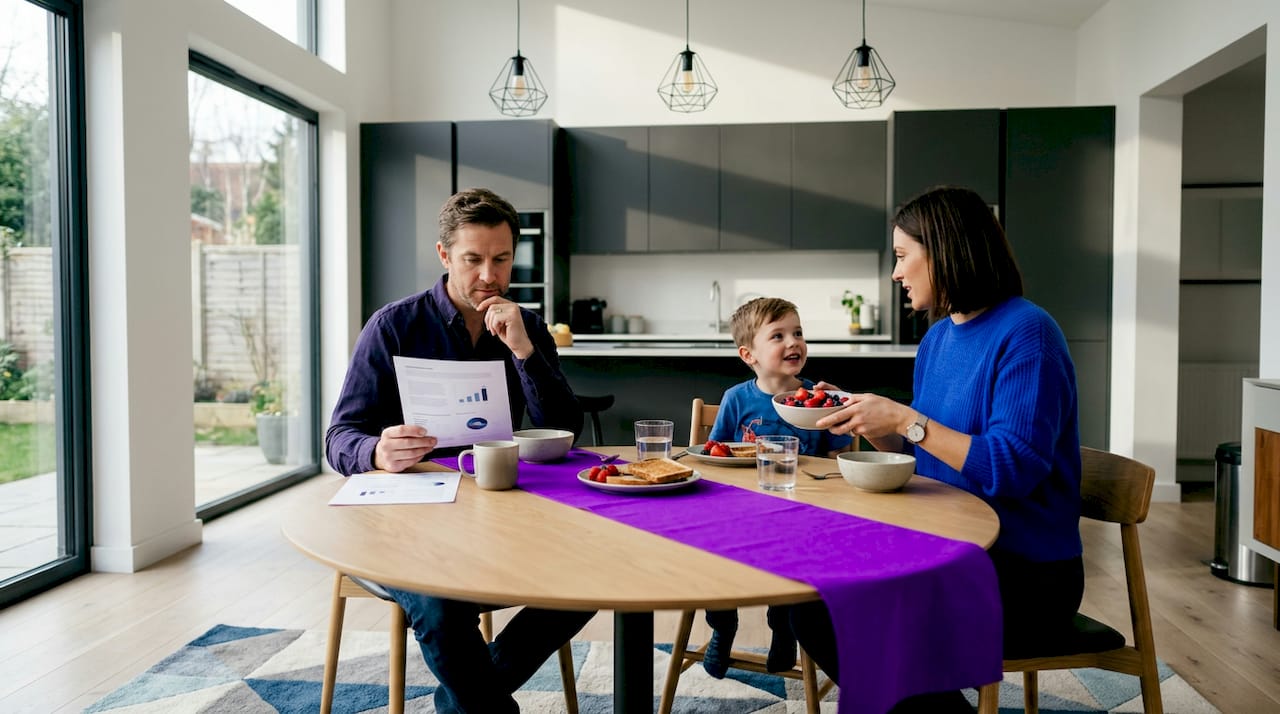
One of the most practical reasons contemporary design works well for Singapore homeowners is its adaptable shell with layered accents. You commit to a strong architectural framework, then refresh the surface layers as your lifestyle or preferences shift. New cushions, a different rug, updated pendant lights. The bones of the space stay relevant for years.
Sustainability has moved from a nice-to-have to a defining characteristic of the style. Contemporary design now links directly to current technology and lifestyle shifts, and that includes eco-conscious material choices. Reclaimed wood, recycled glass, low-VOC paints, and FSC-certified timber are all common in well-executed contemporary interiors. In Singapore, where the Building and Construction Authority actively promotes green building standards, these choices also align with broader property values.
Smart-home technology is the other major pillar. Motorized blinds, app-controlled lighting scenes, integrated sound systems, and smart air-conditioning controls are no longer luxury additions. They are expected features in contemporary design because they directly serve how people live. A well-designed contemporary home in Singapore anticipates these systems at the planning stage rather than retrofitting them awkwardly later.
Contemporary design also embraces global cultural influences, which makes it particularly well-suited to Singapore’s multicultural context. Japandi, a blend of Japanese and Scandinavian minimalism, is a strong current influence. So is the renewed interest in modern colonial design, which reinterprets the proportions and material richness of colonial-era architecture through a contemporary lens. A contemporary modern colonial interior design approach might retain high ceilings and timber flooring from a heritage property while introducing concrete surfaces, clean-lined modern colonial furniture, and restrained color palettes. The result feels grounded in place without being nostalgic.
Pro Tip: If you are working with a modern colonial living room or a contemporary colonial living room in a landed property, preserve one or two original architectural details, such as cornicing or timber louvres, and build the contemporary palette around them. The contrast creates depth that a fully stripped-out renovation rarely achieves.
Practical tips for getting contemporary right
Getting contemporary design right in a real home is harder than it looks on a mood board. These are the most common places where homeowners go wrong, and how to avoid them.
Start with the architectural framework. A flexible contemporary home plan starts with a minimalist architectural framework and lighting design. Commit to your ceiling treatment, flooring material, and lighting positions before selecting any furniture. These decisions are expensive to change later and they set the ceiling on everything else.
Layer texture deliberately. A room with only smooth surfaces reads as a showroom, not a home. Combine a polished concrete floor with a woven rug, a linen sofa, and a raw-edge timber shelf. The contrast between surfaces is what gives a contemporary interior its warmth.
Treat lighting as a design element, not an afterthought. Plan at least three lighting layers: ambient, task, and accent. A single overhead fixture, regardless of how well-designed, cannot do all three jobs. In Singapore’s predominantly artificial-light interiors, this matters more than in homes with generous natural light.
Choose two or three statement pieces and stop. A contemporary space needs focal points, but focal points only work when they have breathing room. One sculptural chair, one oversized artwork, one distinctive light fitting. More than that and the hierarchy collapses.
Design for how you actually live. If you host frequently, your layout needs to accommodate that. If you work from home, your living space needs a zone that functions as an office without looking like one. Contemporary design is supposed to support everyday lifestyle rather than impose an aesthetic on it.
Mix materials with restraint. Two to three primary materials per room is a reliable rule. Wood, concrete, and brushed brass work well together. Add a fourth and the composition starts to compete with itself.
Pro Tip: When mixing metals in a contemporary interior, choose one dominant metal for hardware and fixtures, then introduce a second as an accent only. Brushed brass as the dominant with matte black as the accent is a combination that photographs well and ages gracefully in Singapore’s humidity.
Contemporary vs. modern vs. related styles
Homeowners often ask where contemporary design ends and other styles begin. The honest answer is that the boundaries are intentionally porous. Contemporary design blends elements from multiple styles into a cohesive, evolving look, which means it can absorb minimalism, Scandinavian design, or even colonial references without losing its identity.
Style | Fixed or fluid | Key mood | Common materials | Relationship to contemporary |
Modern | Fixed (20th century) | Warm, structured | Teak, leather, wool | Ancestor and influence |
Minimalism | Fluid | Austere, quiet | White, concrete, glass | Subset often absorbed |
Scandinavian | Fluid | Cozy, functional | Light wood, linen | Frequently blended in |
Japandi | Fluid | Serene, grounded | Dark wood, wabi-sabi | Strong current influence |
Modern colonial | Fluid | Warm, textured | Timber, rattan, stone | Regional variant of contemporary |
The modern colonial bedroom is a good example of how contemporary design absorbs a regional reference without becoming a period piece. Rattan headboards, linen bedding, timber ceiling fans, and a concrete feature wall can coexist in the same room because contemporary design does not demand stylistic purity. It demands coherence.
Where homeowners get into trouble is trying to apply too many styles at once without a unifying principle. The principle that holds contemporary design together is always the same: clarity of intention, honest materials, and spaces that serve the people who live in them.
My take on contemporary design for Singapore homes
I’ve spent years watching Singapore homeowners renovate their spaces, and the pattern I keep seeing is this: people invest heavily in the surface layer, the tiles, the furniture, the paint colors, and then wonder why the space still doesn’t feel right. Contemporary design, done properly, works from the inside out. The architectural decisions come first, and the styling follows.
What I find genuinely exciting about contemporary design in Singapore right now is how well it accommodates the modern colonial thread. There is a real appetite for spaces that feel rooted in this part of the world, not just imported from a European design catalog. A contemporary colonial living room that uses local timber, high ceilings, and restrained color tells a more interesting story than a generic minimalist box. It has a sense of place.
My caution is this: contemporary design is not a license to chase every trend. The style’s strength is adaptability, not constant reinvention. If you rebuild your interior every three years because something new appeared on social media, you are not practicing contemporary design. You are practicing consumption. The smarter approach is to build a solid, well-considered framework, then let the accents evolve gradually. That is how you get a home that feels current ten years from now, not dated.
— Seth
How Monarchcarpenters brings contemporary design to life
At Monarchcarpenters, we work with Singapore homeowners who want spaces that are thoughtfully designed, built to last, and genuinely tailored to how they live. Our in-house team of designers and carpenters collaborates closely with each client, from the first brief through to the final installation, so that every material choice and spatial decision reflects both the design vision and the practical realities of daily life.
Whether you are working with a compact HDB flat, a condominium, or a landed property with colonial-era bones, our portfolio demonstrates how contemporary design principles translate across very different spaces and budgets. From modern colonial furniture selections to fully integrated smart-home carpentry, we bring the same level of craft and attention to every project. Browse our completed projects to see the range of work we do, or visit Monarchcarpenters to start a conversation about your own space.
FAQ
What is contemporary interior design in simple terms?
Contemporary interior design is a style that reflects how people live right now. It is not tied to a specific era and continuously evolves by drawing from minimalism, modernism, and current cultural influences.
How is contemporary design different from modern design?
Modern design refers to a fixed historical movement from the early-to-mid 20th century, while contemporary design is fluid and adapts to present-day materials, technology, and lifestyles.
What are the key features of a contemporary interior?
Contemporary interiors typically feature clean lines, neutral palettes with selective accents, open layouts, honest materials like wood and concrete, statement lighting, and smart-home integration.
Can contemporary design work in a small Singapore apartment?
Yes. Contemporary design’s emphasis on open layouts, minimal clutter, and multifunctional spaces makes it particularly well-suited to compact HDB and condominium units in Singapore.
What is modern colonial design and how does it relate to contemporary style?
Modern colonial design reinterprets the proportions and material richness of colonial-era architecture through a contemporary lens, combining timber, rattan, and high ceilings with clean lines and restrained color palettes.
Recommended
Comments