
What Is Scandinavian Interior Design? A Clear Guide
- Monarch

- Jun 15
- 8 min read
TL;DR:
Scandinavian interior design emphasizes simplicity, functionality, warmth, and natural materials to create calm, livable spaces. Layered lighting and tactile textiles enhance the style’s cozy atmosphere, balanced by intentional negative space and minimal clutter. The design philosophy prioritizes comfort and practicality over superficial aesthetics, lasting beyond fleeting trends.
Scandinavian interior design is defined as a minimalist style rooted in simplicity, functionality, and warmth, originating from the Nordic countries of Denmark, Norway, and Sweden. The style developed in the early 20th century, flourishing through the 1950s as designers across the region embraced clean lines, natural materials, and light-filled spaces. What makes it distinct is not cold emptiness but a deliberate balance between restraint and comfort. You get rooms that feel open and calm without feeling sterile. Understanding this balance is the key to applying the style well in your own home.
What is scandinavian interior design at its core?
Scandinavian interior design is built on five foundational principles that work together to create spaces that feel both beautiful and livable.
Simplicity with warmth. Every object earns its place. Rooms avoid clutter, but tactile materials and textures keep them from feeling cold or impersonal.
Functionality first. The 1930 Stockholm Exhibition, led by director Gregor Paulsson, formally established “form follows function” as a core design ideal in Sweden. Furniture must work as hard as it looks good.
Natural materials. Light woods like ash, beech, and pine are the backbone of the style. Wool, linen, and sheepskin add organic texture throughout.
A neutral, light color palette. White, ivory, gray, and tan dominate walls and large surfaces, keeping rooms bright and visually open.
Intentional negative space. Empty space is not wasted space. It gives the eye a place to rest and makes each chosen object feel more deliberate.
Pro Tip: Start with your walls. Paint them white or a warm off-white before making any furniture decisions. The right base color makes every other Scandinavian design element fall into place naturally.
The Scandinavian home style is not about buying a specific set of products. It is a mindset about editing your space down to what genuinely serves you, then adding warmth through texture and light.
How does lighting shape scandinavian interiors?
Lighting is the single most important atmospheric tool in Scandinavian design, and the reason is practical. Nordic winters bring very few hours of daylight, so designers learned to maximize every source of light available. That discipline shaped an entire design philosophy around how light moves through a room.
Here is how to apply the same approach in your home:
Clear your windows. Remove heavy drapes and replace them with sheer linen panels or nothing at all. Natural light should reach every corner of the room.
Use reflective surfaces. Light-colored walls, pale wood floors, and glass or polished metal accents bounce daylight deeper into the space.
Layer your artificial lighting. Overhead fixtures alone create flat, harsh light. Add floor lamps, table lamps, and candles to build depth and warmth across different heights.
Choose warm, dimmable bulbs. A color temperature around 2700K produces the amber glow that makes a room feel genuinely cozy rather than clinically bright.
Place candles deliberately. Candles are not decorative afterthoughts in Scandinavian homes. They are a primary light source in the evening, creating the intimate, low-level glow that defines the style’s atmosphere.
Layered lighting and reflective materials work together to replace the daylight that Nordic winters take away. In a Singapore home, where natural light is abundant year-round, this layering principle still applies. You use it to control mood rather than compensate for darkness.
What is hygge and how does it shape scandinavian home style?
Hygge (pronounced “hoo-gah”) is a Danish concept describing coziness, contentment, and the pleasure of simple comforts shared with others. Vogue describes hygge as creating spaces that feel genuinely good to spend time in, with an emphasis on togetherness and mindfulness. It is not a decorating trend. It is a cultural value that shapes how Scandinavians think about home.
Hygge explains why Scandinavian design never tips into cold minimalism. The restraint is always balanced by warmth. You will see this in:
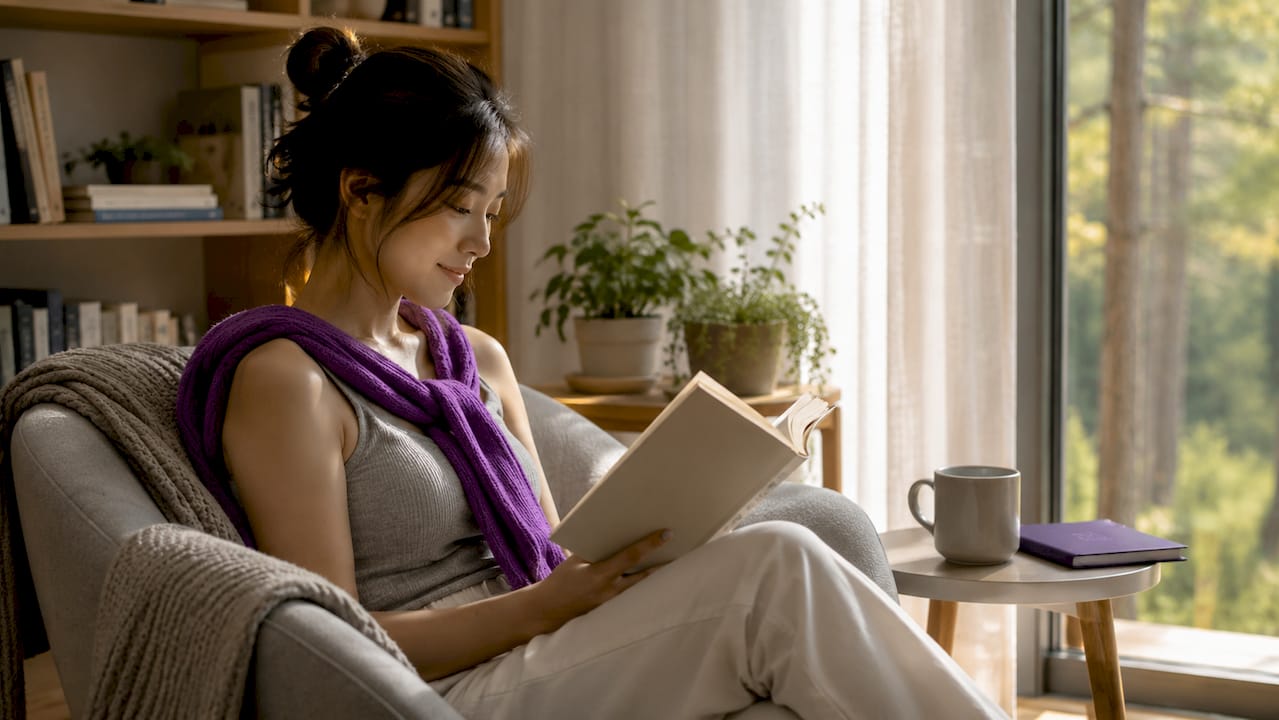
Chunky knit throws folded over the arm of a sofa
A cluster of candles on a wooden tray at the center of a dining table
A single armchair positioned near a window with a side table for a cup of coffee
Soft sheepskin rugs layered over pale wood floors
Bookshelves styled with a few meaningful objects rather than packed with items
Hygge is the reason Scandinavian rooms feel lived-in rather than staged. The goal is always comfort first, aesthetics second.
The cultural connection between natural materials and emotional warmth is direct. Wool, linen, and wood do not just look good. They feel good to touch, and that tactile quality is what makes a room feel like a home rather than a showroom. Ergonomics and comfort also play a role here. You can read more about how comfort and function intersect in well-designed interiors.
Scandinavian vs. nordic design: what is the difference?
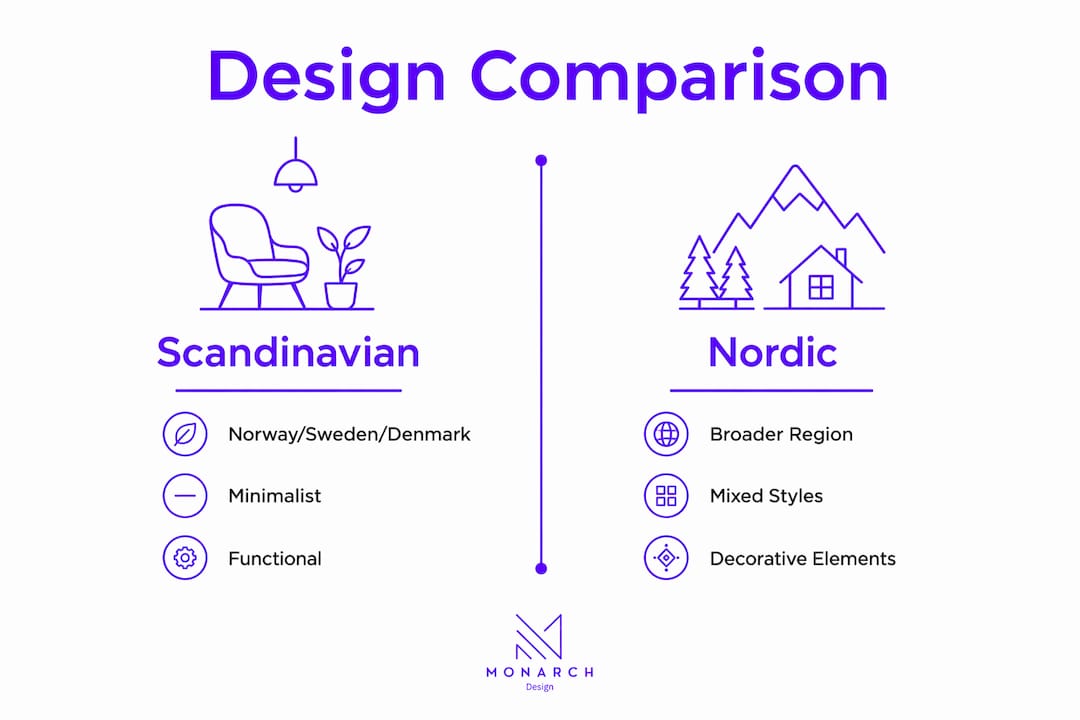
Many people use “Scandinavian” and “Nordic” interchangeably, but the two terms describe different things. The Spruce clarifies that Scandinavian design originates specifically from Norway, Sweden, and Denmark, while Nordic design is a broader category that also includes Finland and Iceland.
Feature | Scandinavian Design | Nordic Design |
Geographic origin | Norway, Sweden, Denmark | Norway, Sweden, Denmark, Finland, Iceland |
Primary mood | Modern, clean, minimal | Includes rustic and folk-influenced elements |
Color palette | Whites, grays, warm neutrals | Similar base, but may include deeper earth tones |
Furniture style | Sleek, functional, mid-century influenced | Can include heavier, more traditional forms |
Texture approach | Refined layering of linen, wool, light wood | May incorporate rougher, more artisan textures |
The practical difference matters when you are shopping for furniture or planning a room. A piece with clean tapered legs in pale ash is Scandinavian. A piece with hand-carved details and a darker, more rustic finish leans Nordic. Both are beautiful, but they create different atmospheres. Knowing which direction you want helps you make consistent choices. You can explore how these styles compare to other popular approaches in this overview of interior design styles for Singapore homes.
How to achieve scandinavian interior design in your home
Applying Scandinavian design principles at home is straightforward when you follow a clear sequence. The most common mistake is copying the visual surface without applying the underlying discipline.
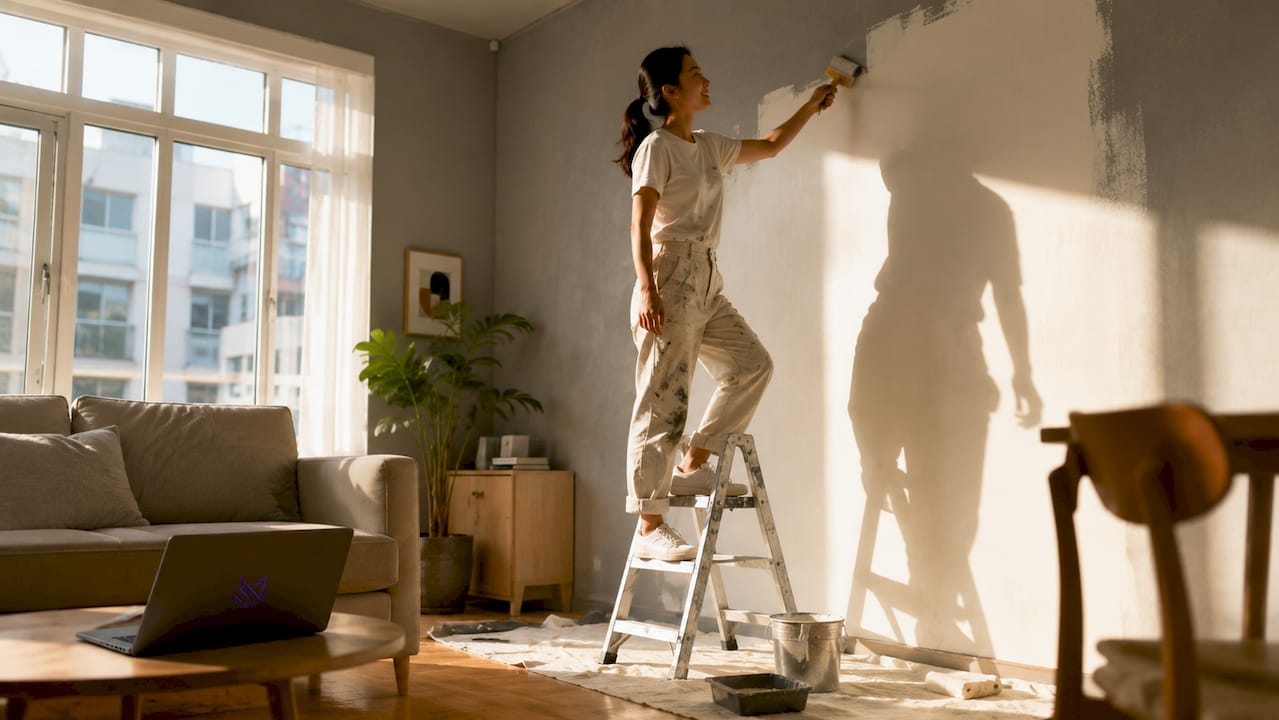
Start with the palette and surfaces. Paint walls white or a warm off-white. Choose flooring in light wood or a pale neutral. These two decisions create the foundation everything else builds on.
Select furniture with clean lines and real function. Every piece should serve a clear purpose. A coffee table with storage, a sofa with a simple silhouette, a dining table in solid ash or beech. Avoid ornate detailing, curved legs with excessive carving, or pieces that exist purely for decoration.
Keep 60–70% of surfaces clear. Rossetti Art recommends this as a practical rule for maintaining the uncluttered look that defines the style. A shelf with three objects feels intentional. A shelf with fifteen objects feels like storage.
Layer textures instead of adding more objects. Wool, linen, and sheepskin add warmth without visual noise. A linen cushion, a wool throw, and a sheepskin rug in the same room create richness through touch rather than through quantity.
Avoid the cold sterility trap. Scandinavian design is not empty minimalism. The most common pitfall is stripping a room down without adding back the warmth. If your space feels cold after editing, add one textile layer before adding any objects.
Plan your lighting in layers. One overhead light is never enough. Add a floor lamp in a reading corner, a table lamp on a sideboard, and candles on the dining table. Each layer serves a different time of day and a different mood.
Pro Tip: A common mistake when recreating Scandinavian style is mimicking only the color palette without applying restraint through purposeful editing. The palette is the backdrop. The editing is the actual design work.
The role of custom carpentry in achieving this look should not be underestimated. Built-in storage in light wood keeps surfaces clear while adding warmth, which is exactly what the style demands. Soft furnishings also carry significant weight in this style. Understanding the role of textiles in interior design helps you make better choices about which fabrics to layer and where.
Key takeaways
Scandinavian interior design works because it combines functional discipline with deliberate warmth, using natural materials, layered lighting, and purposeful editing to create spaces that feel calm and genuinely livable.
Point | Details |
Functionality is the foundation | Every furniture piece and object must serve a clear, practical purpose in the space. |
Lighting defines the atmosphere | Layer floor lamps, table lamps, and candles alongside natural light to build warmth and depth. |
Hygge balances minimalism | Add wool, linen, and sheepskin textures to prevent the style from feeling cold or sterile. |
Keep surfaces 60–70% clear | Restraint in display is the core discipline that separates authentic Scandinavian style from plain minimalism. |
Scandinavian differs from Nordic | Scandinavian design is more modern and minimal; Nordic design includes rustic and folk-influenced elements. |
Why scandinavian design has outlasted every trend
I have spent years watching design trends arrive with fanfare and disappear within two seasons. Scandinavian design has not done that. The reason is simple: it is built around how people actually live, not around how rooms photograph.
What I find most compelling about this style is the honesty of it. The functionalism principle that Gregor Paulsson championed at the 1930 Stockholm Exhibition was never about aesthetics for their own sake. It was about designing for real people with real lives. That intention shows up in every clean-lined chair and every uncluttered shelf.
The hygge element is what most guides underestimate. People read “minimalist” and assume cold. They strip their rooms bare and wonder why the result feels uncomfortable. The warmth in a well-executed Scandinavian interior comes from texture, not from objects. One sheepskin rug does more for a room’s atmosphere than a dozen decorative items ever could.
My honest advice: prioritize how the room feels to live in over how it looks in a photo. If you sit in your space and feel calm, rested, and at home, you have understood Scandinavian design. If you sit in it and feel like you are in a furniture showroom, you have only copied the surface.
— Seth Wayne
Bring scandinavian style to life with monarch carpenters
Understanding Scandinavian design principles is one thing. Executing them with the right materials and craftsmanship is another.

Monarch carpenters brings bespoke carpentry and interior design expertise to Singapore homes, with a strong track record of client satisfaction and cost-effective solutions that do not compromise on quality. From custom built-in storage in light ash wood to full room concepts grounded in Scandinavian principles, the team works closely with you to deliver spaces that are beautiful, practical, and built to last. Clients consistently praise Monarch carpenters for delivering refined results at modest price points. Visit Monarch carpenters to explore the portfolio and book a consultation.
FAQ
What is scandinavian interior design in simple terms?
Scandinavian interior design is a style from Norway, Sweden, and Denmark that prioritizes simplicity, natural materials, and functional furniture to create warm, light-filled living spaces.
What colors are used in scandinavian interior design?
The Scandinavian color palette centers on white, ivory, gray, and warm tan tones for walls and large surfaces, with natural wood tones providing contrast and warmth.
What is hygge in scandinavian home design?
Hygge is a Danish concept of coziness and contentment, expressed in home design through soft textiles, candlelight, and intimate arrangements that make a space feel genuinely comfortable to live in.
How is scandinavian design different from nordic design?
Scandinavian design comes specifically from Norway, Sweden, and Denmark and favors modern minimalism, while Nordic design is a broader term that includes Finland and Iceland and may incorporate more rustic or folk-influenced elements.
What is the biggest mistake when recreating scandinavian style?
The most common mistake is copying only the neutral color palette without applying the discipline of purposeful editing and negative space, which results in a room that looks plain rather than intentionally minimal.
Recommended
Comments