
The Soft Furnishings Role in Interior Design Explained

TL;DR:
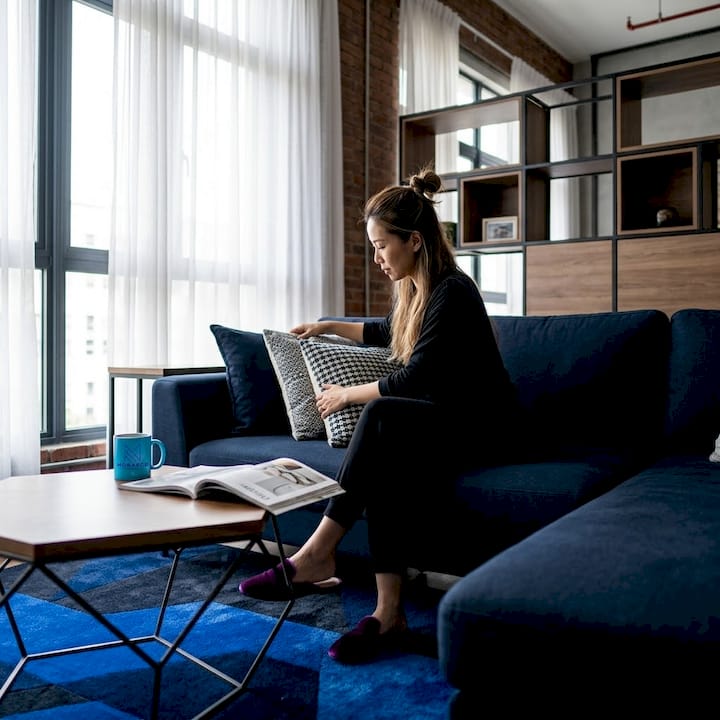
Soft furnishings are crucial for enhancing thermal comfort, acoustics, and emotional ambiance beyond their decorative role. They include rugs, curtains, cushions, upholstery, and bedding, offering flexible, cost-effective interior design solutions. Proper selection and layering of textiles significantly improve living spaces’ environment, comfort, and aesthetic cohesion.
Soft furnishings are the element most homeowners get wrong, not because they ignore them, but because they underestimate them. The soft furnishings role in interior design goes far beyond throwing a cushion on a sofa or hanging curtains for privacy. These textile-based elements actively shape how a room sounds, feels thermally, and registers emotionally. A space with bare floors and uncovered windows feels cold and loud, even at a comfortable temperature. Understanding what soft furnishings actually do, functionally and aesthetically, puts you in a far stronger position to make design decisions that genuinely improve how you live.
Table of Contents
Key takeaways
Point | Details |
Soft furnishings serve dual roles | They improve thermal comfort, acoustics, and mood, not just visual appeal. |
Tactile testing matters | Always handle physical fabric samples before committing, since photos cannot convey how a fabric truly feels. |
Layering amplifies results | Combining rugs, curtains, and upholstery simultaneously addresses multiple comfort challenges in one room. |
Seasonal swaps are cost-effective | Changing fabric weight by season adapts your home’s comfort without any structural work. |
Acoustic impact is measurable | Textile assemblies can achieve a noise reduction coefficient of 0.85, making them serious sound management tools. |
The soft furnishings role in interior design
Before we can talk about impact, we need to be precise about what soft furnishings actually are. Merriam-Webster defines soft furnishings as cloth items used to decorate rooms, and that definition, while accurate, undersells the category considerably.
In practice, soft furnishings include:
Rugs and carpets that define zones, add warmth underfoot, and absorb sound
Curtains and drapes that manage light, temperature, and visual framing
Cushions and throw pillows that introduce color, pattern, and tactile variation
Throws and blankets that layer texture and signal comfort
Upholstered furniture including sofas, armchairs, ottomans, and headboards
Bedding including duvets, pillowcases, and bed skirts
What separates soft furnishings from hard furnishings and structural elements is their flexibility. You can replace a rug without calling a contractor. You can swap curtain panels in an afternoon. That adaptability makes soft furnishings one of the most cost-accessible tools in interior design, capable of shifting a room’s entire character without touching a wall or floor. The fabric type matters too: velvet reads as formal and rich, linen as relaxed and breathable, wool as warm and grounded. Each material carries its own sensory and visual weight.
Functional benefits beyond decoration
Most homeowners think of soft furnishings as decor first and function second. The reality is the opposite, and the data backs that up clearly.
Here is how soft furnishings deliver measurable functional improvements:
Thermal comfort. Rugs reduce floor heat loss while curtains reduce window heat loss, both of which are significant in Singapore’s air-conditioned interiors where temperature management affects energy bills and personal comfort directly.
Acoustic control. Textiles absorb sound energy rather than reflecting it. Hard surfaces like tile, glass, and concrete create reverberation. Soft furnishings interrupt that cycle. A 2026 study on textile acoustic assemblies found that layered textile and porous panel systems achieve a sound absorption average of 0.82 and a noise reduction coefficient of 0.85. That is not a minor improvement. That is the difference between a room that feels calm and one that feels chaotic.
Airflow and draft management. Heavier curtains and upholstered panels reduce cold air infiltration near windows and doors, which matters in rooms where air conditioning creates uncomfortable drafts.
Tactile relaxation. Upholstered furniture reduces sound reflection and provides physical comfort that hard seating simply cannot replicate, directly supporting relaxation and recovery after a long day.
The most powerful insight here is that layered textile constructions outperform single materials across all comfort axes. A rug alone helps. A rug combined with curtains, upholstered seating, and cushions creates a genuinely different acoustic and thermal environment. That is not styling. That is environmental design.
Aesthetic and emotional influence
The functional case is strong, but the aesthetic and emotional dimensions of soft furnishings and decor are equally worth understanding. These are not separate conversations. They are the same one.
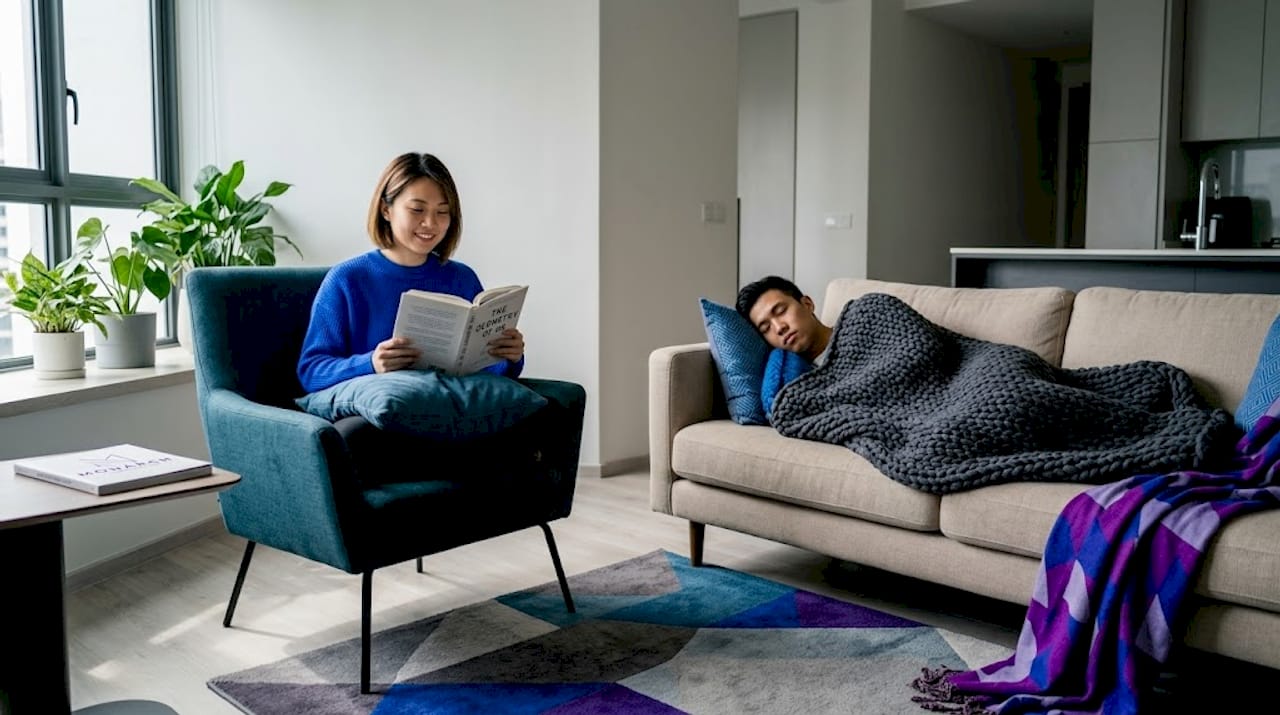
Textiles diffuse light. A sheer linen curtain softens harsh afternoon sun into something warm and diffused, reducing glare without blocking the view. That single change shifts the mood of a room from harsh to inviting without moving a single piece of furniture.
Consider what layering actually does visually:
A plain sofa with a textured throw and two contrasting cushions has depth and personality
A bare floor feels unfinished and acoustically harsh; a rug anchors the space and signals intention
Curtains that pool slightly at the floor read as considered and deliberate, adding height and softness to a room simultaneously
Homeowners respond emotionally to soft furnishings because softness signals safety and rest at a psychological level. This is not abstract. When you walk into a room with plush upholstery, layered textiles, and warm fabric tones, your nervous system registers it as a place to decompress. That response is partly learned and partly instinctive.
Seasonal adaptation is another underused strategy. Swapping heavier fabrics in cooler months for lighter ones in warmer periods adapts your home’s comfort and freshness without any renovation. In Singapore’s context, this might mean rotating between heavier velvet cushions and lighter cotton covers to match how the air conditioning is set across different times of year.
Pro Tip: When building a color palette through soft furnishings, start with a neutral base fabric on your largest upholstered piece, then introduce pattern and color through cushions and throws. This gives you flexibility to refresh the look seasonally without replacing expensive items.
When you think about the impact of textiles in design through a mood board before purchasing, you avoid the common mistake of selecting pieces in isolation that fail to work together in the actual space.
How to choose soft furnishings that actually work
This is where most homeowners make costly mistakes, and where the importance of soft furnishings as a technical discipline becomes clear.
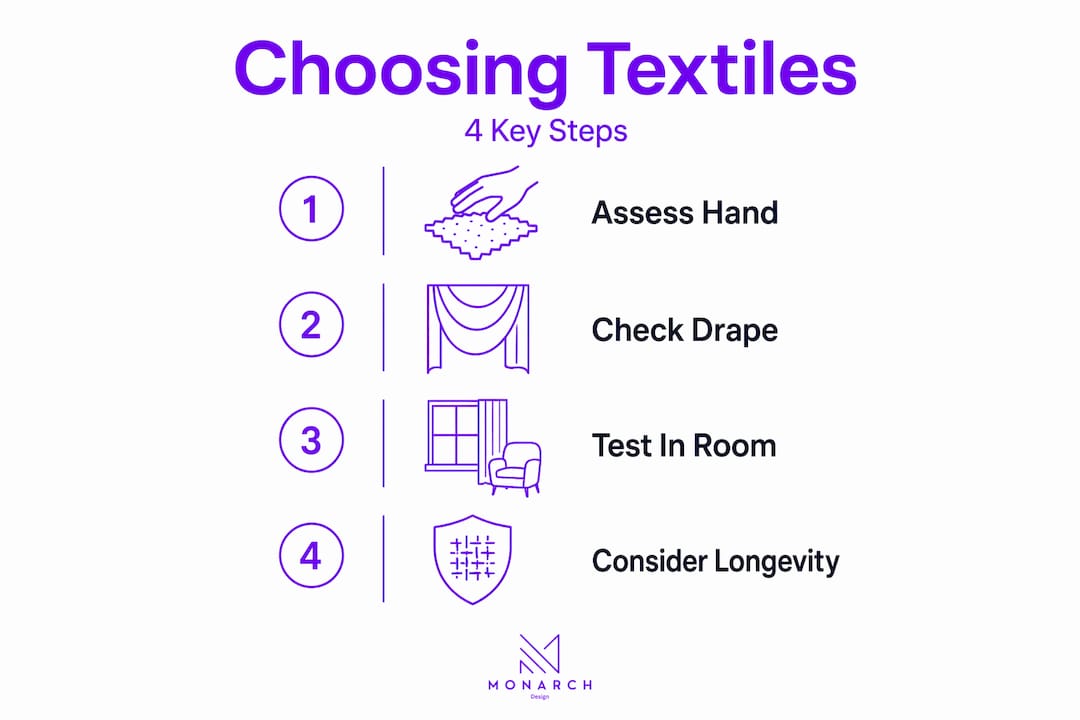
The two most critical tactile properties in fabric selection are “hand” and “drape.” Hand refers to how a fabric feels when touched: its softness, warmth, smoothness, or texture. Drape refers to how it falls and moves, which is especially relevant for curtains and upholstery. Fabric hand and drape are influenced by bending stiffness, weight, and weave structure, and discrepancies between what a client expects and what a fabric delivers are among the most common sources of post-installation dissatisfaction.
Selection factor | What to evaluate | Why it matters |
Hand (tactile feel) | Softness, warmth, texture against skin | Determines daily comfort and satisfaction |
Drape | How fabric falls and moves | Affects curtain elegance and upholstery fit |
Weight | Grams per square meter | Heavier fabrics offer more acoustic and thermal benefit |
Durability | Abrasion resistance rating | Determines lifespan in high-use areas |
Maintenance | Washability and care requirements | Affects long-term practicality |
Physical fabric samples must be evaluated under realistic conditions, meaning in the actual room with its natural and artificial lighting, not on a screen or under a showroom’s flattering lights. The word “soft” means different things to different people. A fabric a designer considers soft may feel rough to a client with sensitive skin. That gap in expectation is avoidable with proper sampling.
Pro Tip: Always request at least an A4-sized sample of any fabric you are seriously considering. Small swatches do not show enough pattern repeat, texture variation, or drape to make an informed decision.
Integrating soft furnishings into your home design
Knowing what soft furnishings do is one thing. Knowing how to deploy them effectively is another. Here is a practical approach that works across most residential spaces:
Start with the floor. A rug is the single most impactful soft furnishing in a living or dining space. Size it generously: in a living room, all front legs of seating should sit on the rug at minimum. This anchors the furniture grouping and defines the zone.
Layer curtains for dual function. Use a sheer layer for daytime light diffusion and a heavier blackout or thermal layer for evening privacy and acoustic benefit. Curtains affect thermal, acoustic, and lighting comfort simultaneously, making them the most multi-functional soft furnishing in any room.
Use soft furnishings to define open-plan spaces. In open-plan layouts, rugs, upholstered seating clusters, and hanging textiles create visual separation without walls. This is one of the most cost-effective ways to add structure to a large space.
Scale upholstery to the room. An oversized sofa in a small room feels oppressive. A delicate armchair in a large room disappears. The proportional relationship between upholstered pieces and the room’s volume is as important as the fabric itself.
Rotate seasonally. Keep a secondary set of cushion covers and throws in a lighter fabric for warmer periods. The swap takes twenty minutes and genuinely changes how a room feels and reads visually.
At Monarch carpenters, the approach to contemporary interior design always treats soft furnishings as part of the initial design brief, not an afterthought. Clients consistently report that the textile selections made during the design process are among the details they notice and appreciate most in their finished spaces.
My perspective: soft furnishings are the most underrated design tool
I have worked alongside homeowners and designers long enough to know where the real surprises happen in a completed interior. It is almost never the cabinetry or the flooring. It is the moment a client sits on a sofa for the first time and realizes the fabric feels completely different from what they imagined, or walks into a room and notices it is quieter and warmer than they expected.
Soft furnishings are the unsung heroes of home comfort. They do the quiet work that no one credits until it is absent. I have seen beautifully designed rooms feel sterile and unwelcoming because the textile layer was treated as an afterthought, and I have seen modest spaces feel genuinely luxurious because the fabrics were chosen with care and layered with intention.
What I tell every client is this: do not skip the sampling step. Touch the fabric. Sit on the upholstered piece. Hold the curtain up to your window. The difference between a room you love and one you merely tolerate often comes down to whether the textiles feel as good as they look. That is not a subjective luxury. It is a practical standard worth holding to.
— Seth Wayne
Transform your space with Monarch carpenters

At Monarch carpenters, we have built a reputation across Singapore for delivering interiors that feel as considered as they look, at a price point that consistently surprises our clients. Our approach to soft furnishing selection is thorough and collaborative: we present physical samples, walk through tactile and functional options, and help you build a layered textile scheme that works with your existing architecture and lifestyle. Clients regularly tell us that the design quality they receive far exceeds what they expected at our price point, and that feedback drives everything we do. If you are ready to see what thoughtful soft furnishing selection can do for your home, explore our portfolio and get in touch with our team.
FAQ
What are soft furnishings in interior design?
Soft furnishings are textile-based movable items used in interior spaces, including rugs, curtains, cushions, throws, upholstery, and bedding. They differ from hard furnishings in that they can be changed easily to alter a room’s comfort and appearance.
How do soft furnishings improve acoustic comfort?
Textiles absorb sound energy rather than reflecting it, reducing echo and reverberation. Layered textile assemblies can achieve a noise reduction coefficient of 0.85, making them genuinely effective acoustic management tools in residential spaces.
Why does fabric hand matter when choosing soft furnishings?
Fabric hand refers to how a textile feels when touched, and it directly affects daily comfort and satisfaction. Post-installation complaints frequently trace back to clients not having tested physical samples before selecting upholstery or curtains.
Can soft furnishings replace structural changes in open-plan homes?
Yes. Rugs define zones, upholstered furniture clusters create visual separation, and hanging textiles add structure without walls. This makes soft furnishings one of the most cost-effective tools for organizing open-plan spaces.
How often should you update soft furnishings?
There is no fixed rule, but rotating cushion covers and throws seasonally, and replacing high-use items like rugs every five to ten years, keeps a space feeling fresh and functioning well without major investment.
Recommended
Comments