
First Home Interior Design Budget Tips for Singapore


TL;DR:
Effective budget allocation for first home interiors involves dividing spending into 60% for furniture, 20% for lighting, 15% for decor, and 5% for contingencies. Prioritizing essential furniture, planning layout before lighting, and decorating each room sequentially ensure a stylish and affordable home while avoiding common mistakes. Sourcing secondhand items and making strategic upgrades, like lighting and textiles, maximize visual impact within limited budgets.
First home interior design budget tips are practical strategies that help first-time homeowners create stylish, functional spaces without exceeding their financial limits. The most effective approach splits your total budget into four categories: 60% for core furniture, 20% for lighting and window treatments, 15% for surfaces and decor, and 5% as a contingency reserve. This framework, combined with phased decorating and smart shopping, gives Singapore homeowners a clear path to a beautiful home without the financial stress. Whether you are working with an HDB flat or a private apartment, the principles of budget-friendly interior design remain consistent: prioritize function, sequence your decisions, and invest where it counts most.
1. How to allocate your budget smartly for first home interior design
The 60/20/15/5 budget split is the most reliable framework for first-time homeowners. It keeps spending proportional and prevents the common mistake of blowing the entire budget on furniture while leaving nothing for lighting or finishing touches.
For an $8,000 total budget, the breakdown looks like this:
Core furniture (60%): $4,800 for sofa, bed frame, mattress, and dining set
Lighting and window treatments (20%): $1,600 for pendant lights, floor lamps, and curtains
Surfaces and decor (15%): $1,200 for rugs, cushions, artwork, and plants
Contingency (5%): $400 for unexpected costs, delivery fees, or last-minute additions
This structure works because it forces you to fund the highest-impact items first. Skipping the contingency fund is one of the most common beginner mistakes. Delivery surcharges, assembly fees, and minor repairs always appear, and $400 covers most of them without derailing your plan.
Category | Percentage | $8,000 Budget | $5,000 Budget |
Core furniture | 60% | $4,800 | $3,000 |
Lighting and windows | 20% | $1,600 | $1,000 |
Surfaces and decor | 15% | $1,200 | $750 |
Contingency | 5% | $400 | $250 |
Pro Tip: Create a simple spreadsheet before you buy anything. List every item you need, assign it a category, and track spending in real time. This prevents budget drift, which is when small unplanned purchases quietly consume your contingency fund.
2. Which furniture pieces to prioritize and how to shop smart
The “big three” furniture pieces for any first home are the sofa, the mattress and bed frame, and the dining table. Experts consistently advise focusing on these three before purchasing anything else. They are the items you use every single day, and poor quality choices here affect your daily comfort for years.
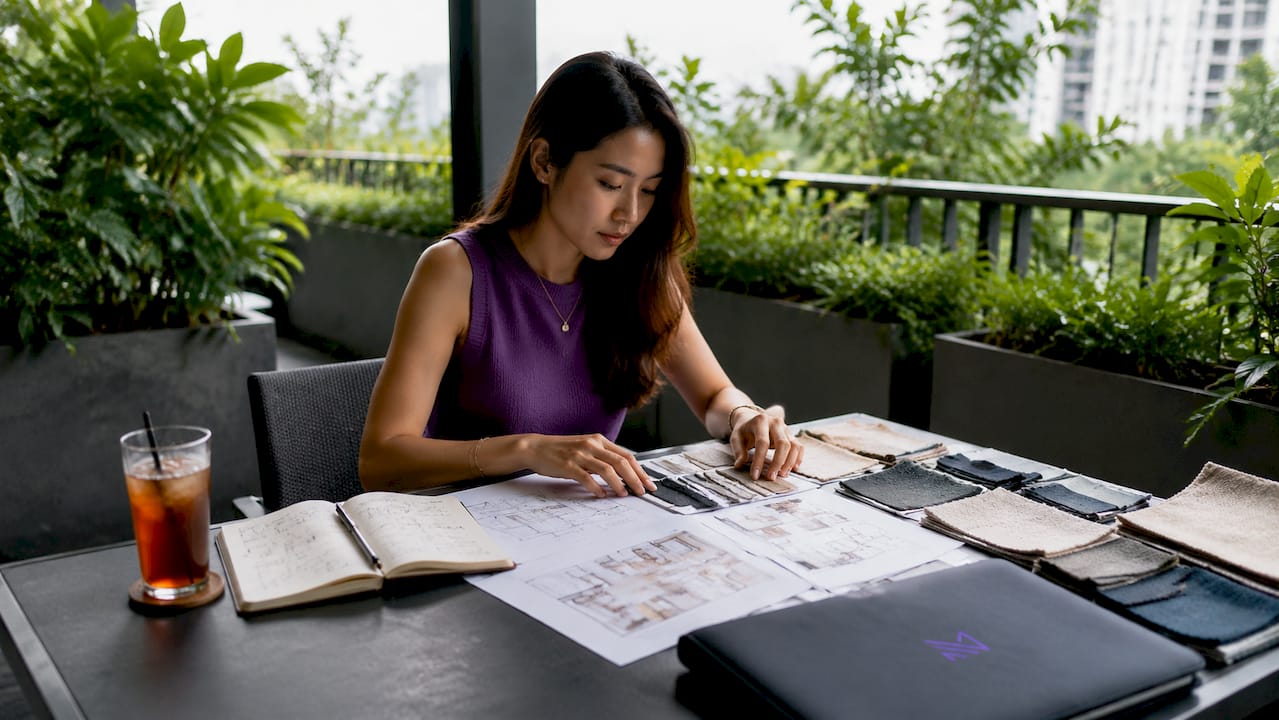
Furnishing a one-bedroom apartment with all-new pieces can cost $3,000–$5,000, but sourcing secondhand items and applying selective DIY cuts that figure to $300–$800. Singapore has a strong secondhand market through platforms like Carousell, and many sellers list barely-used IKEA furniture at 30–50% of retail price. IKEA basics like the KALLAX shelving unit or the HEMNES bed frame are solid starting points because they are easy to resell if your taste changes.
Before purchasing any large piece, measure your doorways and room dimensions carefully. Singapore apartments typically have doorway clearances around 850mm, and oversized furniture returns can cost $150–$200 per item. That is money wasted on a completely avoidable mistake.
Measure the room, the doorway, and the furniture dimensions before ordering
Check Carousell and Facebook Marketplace for secondhand pieces in good condition
Start with IKEA for functional basics, then upgrade individual pieces over time
Avoid buying a full matching furniture set. Mixing pieces creates a more personal, layered look
Pro Tip: Invest in quality textiles like a linen sofa cover or a wool throw blanket to add the feel of quiet luxury to budget furniture. Neutral, high-texture fabrics do 80% of the visual work at a fraction of the cost of premium furniture.
3. Impactful yet affordable lighting and layout tips for a budget home
Lighting is the single most underestimated upgrade in beginner home design. Warm white 2700K LED bulbs cost $15–$25 and transform the ambiance of any room. That improvement is immediate and dramatic, and it costs less than a single decorative cushion from a boutique store.
The correct sequence for setting up a home is layout first, lighting second, and surfaces last. Following this order accounts for 80% of home comfort and prevents costly rework. Placing furniture before planning your lighting means you may end up with lamps blocked by sofas or shadows falling in the wrong places.
A floor lamp priced around $40 solves most visibility problems in a living room without requiring electrical rewiring, which can cost $400 or more. Layering light sources creates depth and warmth that a single overhead fixture cannot achieve. Use a combination of ceiling lights, floor lamps, and table lamps to build a flexible lighting scheme.
Rearranging furniture costs nothing and can completely change how a room feels. Pull seating away from walls to create a more intentional conversation zone. In smaller Singapore apartments, floating furniture arrangements make rooms feel larger and more designed.
Pro Tip: Before committing to any permanent light fixture, experiment with portable lamps in different positions for a week. This lets you see how light behaves in your space at different times of day before spending money on installation.
4. Styling hacks and decor ideas to make your home look expensive on a budget
The secret to an expensive-looking space is not more items. Strategic styling of textures and accessories creates the impression of a curated, high-end home. Interior designer Purvi Padia notes that grouping objects in odd numbers, varying heights, and mixing textures produces the visual richness that most people associate with professionally designed spaces.
Layering textiles is the fastest way to add warmth and sophistication. A throw blanket draped over a sofa arm, two or three cushions in complementary textures, and a woven rug underfoot create a cohesive look that reads as intentional. These items are available at affordable price points from stores like IKEA, Zara Home, and Taobao.
Replacing standard ceiling fixtures with bold light fixtures is one of the highest-impact, lowest-cost upgrades available. Designer-dupe pendant lights and rattan shades are widely available in Singapore for under $80 and immediately shift the visual tone of a room.
Hardware swaps on existing furniture deliver 80% of the visual impact at 20% of the cost of full replacement. Changing drawer handles on an IKEA dresser from plastic to brushed brass costs under $30 and looks like a custom upgrade. Grouped candles, a small vase of fresh flowers, and a tray on the coffee table create a styled moment that photographs well and feels considered.
Pro Tip: Start decorating the rooms you use most. The living room and bedroom deserve your first styling effort because they affect your daily mood and comfort. Leave the guest room and storage areas for later phases when budget allows.
5. Room-by-room budgeting and phased project planning for first-time homeowners
Phased decorating is the most practical approach for first-time homeowners managing cash flow. Decorating progressively by room prevents overwhelm and allows you to refine your taste as you go. Most design professionals recommend this sequence: living room first, master bedroom second, kitchen and dining third, then secondary rooms.
Before buying anything, take inventory of what you already own. Many first-time homeowners duplicate items they already have because they did not account for what they were bringing from their previous home. A simple list of existing furniture, textiles, and kitchenware prevents redundant spending.
The table below shows estimated costs for refreshing each room in a typical Singapore HDB flat:
Room | Essential items | Estimated cost |
Living room | Sofa, rug, lighting, decor | $1,500–$2,500 |
Master bedroom | Mattress, bed frame, curtains | $1,200–$2,000 |
Dining area | Table, chairs, pendant light | $600–$1,200 |
Kitchen | Small appliances, storage | $300–$600 |
Secondary bedroom | Bed, basic storage | $400–$800 |
Set a firm budget for each room before you start shopping. Separate your needs from your wants in writing. A dining table is a need. A matching sideboard is a want. This distinction keeps spending focused and prevents the slow accumulation of items that look good in the store but add little value at home.
For furniture layout planning in compact Singapore apartments, consider built-in storage solutions that serve double duty. A bed frame with drawers eliminates the need for a separate dresser. A storage ottoman in the living room replaces both a coffee table and a storage box.
Smart shopping means balancing one or two quality splurges with deliberate savings elsewhere. Spend on the mattress because sleep quality is non-negotiable. Save on side tables, decorative shelves, and accent chairs by sourcing secondhand or choosing budget-friendly alternatives.
Key takeaways
Budget-friendly first home interior design in Singapore succeeds when you allocate spending by priority, sequence your decisions correctly, and decorate room by room rather than all at once.
Point | Details |
Use the 60/20/15/5 rule | Allocate 60% to furniture, 20% to lighting, 15% to decor, and 5% to contingency. |
Prioritize the big three | Buy the sofa, mattress, and dining table before any other furniture. |
Sequence layout before lighting | Arrange furniture first, then plan lighting to avoid costly rework. |
Style with texture, not volume | Layered textiles and grouped accessories create a high-end look at low cost. |
Decorate room by room | Start with the living room and bedroom to manage cash flow and avoid overwhelm. |
What I have learned from designing first homes on a budget in Singapore
I have seen the same pattern repeat across dozens of first-home projects. Homeowners spend heavily in the first two weeks, usually on furniture they saw in a showroom, and then run out of budget before addressing lighting or styling. The result is a room that feels functional but flat.
The fix is almost always sequencing. When you commit to layout first, lighting second, and decor last, every dollar works harder. A $40 floor lamp placed in the right corner does more for a room’s atmosphere than a $400 decorative console table placed against the wrong wall.
Sourcing secondhand furniture is not a compromise. In Singapore, many Carousell listings include pieces from homeowners who upgraded after a year or two. These items are often in excellent condition and priced at a fraction of retail. I have seen living rooms come together beautifully for under $1,500 using this approach, with the savings redirected toward quality lighting and textiles.
The most important mindset shift for first-time homeowners is patience. Your home does not need to be finished on move-in day. Phased decorating, done with intention, produces spaces that feel personal and considered rather than rushed. The homes I find most satisfying to work on are the ones where the client gave themselves permission to take their time.
— Seth Wayne
How Monarch carpenters helps you design a beautiful home within budget
Monarch carpenters has built a strong reputation among Singapore homeowners for delivering stylish, well-crafted interiors at a cost that respects real-world budgets. Clients consistently highlight the studio’s ability to translate modest budgets into spaces that feel refined and personal, with feedback pointing to both design creativity and transparent cost management as standout strengths.

Whether you are planning your first HDB flat or a private apartment, Monarch carpenters creates customized design plans that prioritize your needs, phase the project sensibly, and avoid unnecessary spending. The in-house team of designers and carpenters works closely with you from concept through completion, so nothing gets lost between the drawing board and the final build. If you are ready to start your first home project with confidence, explore Monarch carpenters’ design services and see how great design and modest cost can go hand in hand.
FAQ
What is the recommended budget split for first home interior design?
The most widely recommended split is 60% for core furniture, 20% for lighting and window treatments, 15% for surfaces and decor, and 5% as a contingency fund. For an $8,000 budget, this means $4,800 on furniture and $1,600 on lighting.
How do I avoid costly furniture mistakes when decorating my first home?
Measure your doorways and room dimensions before purchasing any large piece. Singapore apartments typically have doorway clearances around 850mm, and returns can cost $150–$200 per item.
Is secondhand furniture a good option for first-time homeowners in Singapore?
Yes. Platforms like Carousell offer barely-used furniture at 30–50% of retail price. Furnishing a one-bedroom apartment secondhand can cost as little as $300–$800 compared to $3,000–$5,000 for all-new pieces.
What is the most impactful low-cost upgrade for a first home?
Replacing standard ceiling fixtures with bold pendant lights and switching to warm white 2700K LED bulbs delivers one of the highest returns on investment. Bulbs cost $15–$25 and immediately improve a room’s ambiance.
Should I decorate my entire home at once or room by room?
Room by room is the better approach for first-time homeowners. Start with the living room and master bedroom, then move to the dining area and kitchen. This manages cash flow and lets you refine your style as you go.
Recommended
Comments