
Custom Furniture Cost: A Realistic Budget Guide for 2026
- Monarch

- 10 minutes ago
- 8 min read
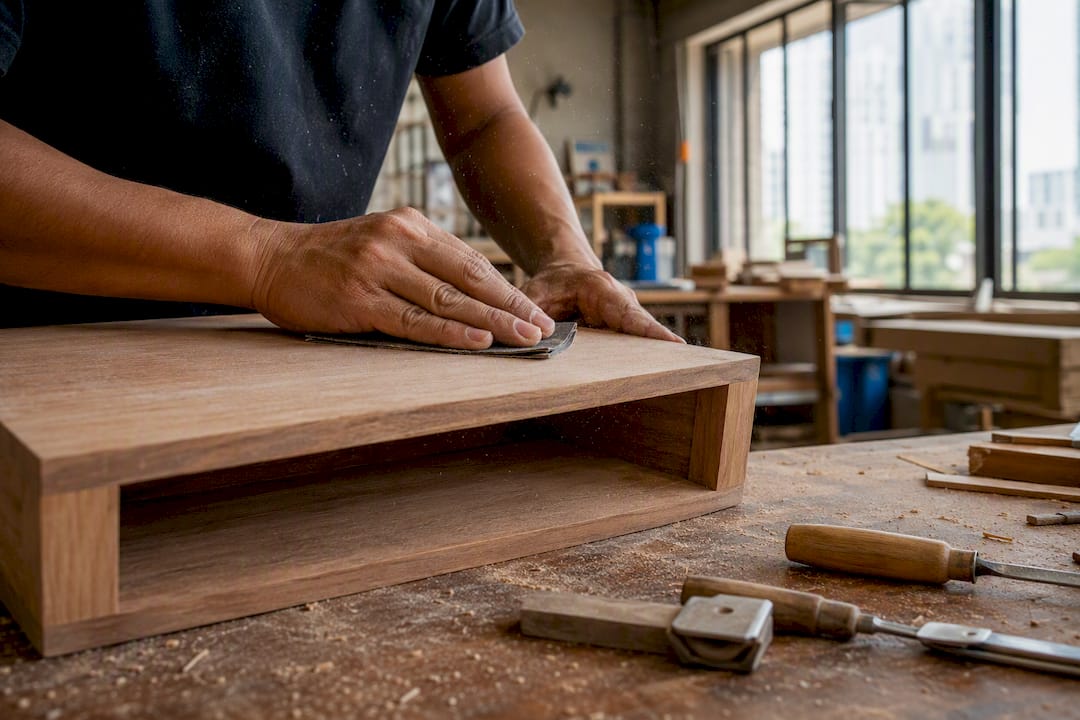
Custom furniture in the United States typically costs between $1,000 and $4,250, with a national average near $2,600, according to HomeAdvisor’s 2025 cost data. A starting desk is generally less expensive, while a starting sofa built by an upholsterer typically costs more once framing and fabric are included.
Where your project lands in that range depends on three things: the wood species you choose, how many hours the piece takes to build, and how complicated the joinery or finish work gets. The sections below break down exactly how those variables move the price, piece by piece.
Budget tier: $1,000–$2,000 (simple shelving, basic desks, small side tables)
Mid tier: $2,000–$4,250 (dining tables, dressers, upholstered sofas)
Premium tier: $4,250–$9,600+ (built-ins, figured hardwoods, complex joinery)
Quick stat: The national average for a custom furniture commission sits at roughly $2,600, but that figure swings hard based on material and labor choices covered next.
Key Takeaways
Custom furniture costs in the U.S. average near $2,600 and typically range from $1,000 to $4,250, with material, labor hours, and complexity as the main price levers.
Point | Details |
Know the national average | Budget around $2,600 as a starting anchor, with a normal range of $1,000 to $4,250. |
Material tier matters most | Walnut and figured woods cost significantly more than oak or maple once milled and finished. |
Labor is hours times shop rate | Most shops charge $50 to $75 per hour, so bench time drives cost as much as material. |
Get itemized quotes | Compare material, labor, finish, and delivery line by line, not one bundled number. |
Consider a design-build studio | Monarch carpenters pairs design and in-house carpentry to reduce change orders and control cost. |
Table of Contents
Custom Furniture Cost Ranges by Project Type
Most homeowners want a number before they call a maker, so here’s how to read the bands. A budget-tier piece uses stock lumber, simple joinery, and a basic stain or paint finish. Mid-tier work introduces better hardwoods, tighter tolerances, and integrated features like soft-close drawers. Premium work means figured or exotic species, hand-cut joinery, and often a matched finish across a whole room.
Furniture Type | Budget | Mid-Range | Premium |
Desk | $600–$1,200 | $1,000–$1,200 | $2,500–$5,000 |
Sofa | $1,800–$3,000 | $3,000–$5,500 | $5,500–$9,000 |
Bed frame (queen) | $900–$1,800 | $1,800–$3,200 | $1,800–$3,200 |
Dresser | $800–$1,600 | $1,600–$3,000 | $3,000–$5,500 |
Built-in cabinetry | $150–$300/ft | $300–$500/ft | $150–$300/ft |
Size and feature choices are what actually push a piece up a tier, not just the wood. A dresser with soft-close hardware and a hand-rubbed oil finish costs meaningfully more than the same dresser with basic knobs and a quick lacquer coat. On top of the piece price, factor in delivery: local delivery generally runs $50 to $500, while white-glove service (unpacking and placement included) runs $150 to $500](https://www.angi.com/articles/custom-furniture-cost.htm).
What Actually Drives the Price of a Custom Piece
Three levers do most of the work in any furniture quote: material, labor, and complexity.
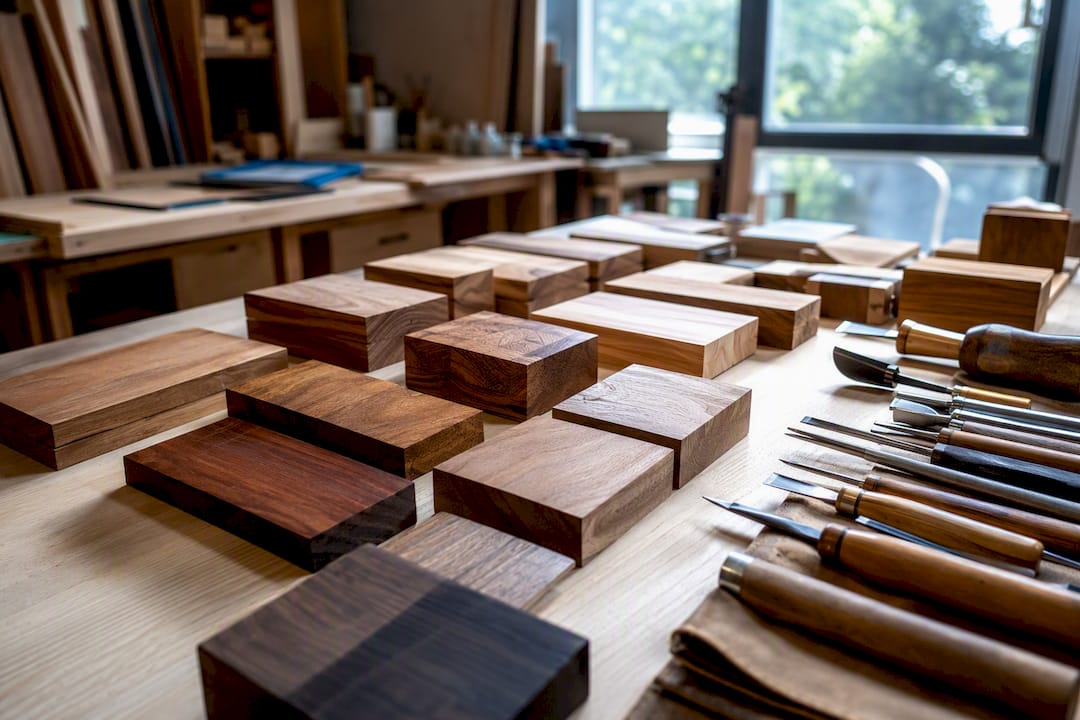
Material tier is the first big fork in the road. Raw lumber costs vary by species; see our wood species selection guide for interior designers for detailed performance and cost information. Red oak runs about $3.85 per board foot, cherry and maple land near $5.00, white oak sits around $6.00, and walnut climbs to roughly $8.50. But raw lumber isn’t what you’re paying for. Once a shop mills, joins, and finishes that wood into a piece, the effective cost per board foot jumps to $35 to $90, depending on species and finish quality. That gap between raw and finished cost is where most sticker shock comes from.
Labor is priced by hours times a shop rate. Furniture makers commonly charge $40 to $120 per hour, carpenters $30 to $150, and installers $50 to $100. Most independent shops land in the $50 to $75 per hour range once you average across design, cutting, assembly, and finishing.
Complexity compounds both. Hand-cut joinery, inlays, or thick tabletops can add 20% to 40% to the base price just in added bench time.
Staining: $150–$400
Painting: $80–$800
Powder coating: $340–$1,020
Hardware upgrades (soft-close hinges, integrated pulls): $50–$300 per piece
Pro Tip: Ask your maker whether their quote already includes finish and hardware, or whether those are add-ons. This single question prevents most of the sticker shock homeowners report after final invoices.
Sample Starting Prices for Common Furniture Types
Here’s how the math actually works on a real order, using a mid-range walnut dresser as the example:
Material: 15 board feet of walnut at roughly $8.50 raw, milled and finished, brings the effective material cost to around $600.
Labor: 12 hours of build time at a $65/hour shop rate adds $780.
Finish and hardware: Hand-rubbed oil finish and soft-close slides add another $200.
Delivery: Local delivery adds $75 to $150.
That lands the piece at roughly $1,655 to $1,730, right in the mid-range band for a dresser. Dining tables for six typically fall between $1,500 and $3,800 depending on leaf construction and wood choice, while a queen bed frame with a paneled headboard tends to land between $1,800 and $3,200. Built-in cabinetry is priced per linear foot precisely because the labor and material scale directly with run length, not overall room size.
How to Keep Costs Down Without Cutting Corners
You don’t need to abandon solid wood to hit a tighter number. A few swaps preserve durability while trimming cost:
Use solid hardwood only where structure matters (legs, joints, load-bearing surfaces) and veneer or painted panels elsewhere.
Simplify joinery on decorative elements. Dovetails on a drawer box matter for longevity; carved trim rarely does.
Choose mid-tier woods like oak or maple over walnut or figured species when the piece won’t be a visual centerpiece.
Get an itemized scope upfront so change orders during the build don’t quietly inflate the final invoice.
Consider phasing a large project (built-ins room by room) instead of committing to the full scope at once.
Pro Tip: A carpentry works cost breakdown that separates material, labor, and finish line by line makes it far easier to spot where a phased approach saves real money.
What to Expect for Lead Times and Payment Schedules
Most custom shops quote 4 to 10 weeks for a single piece and 8 to 16 weeks for built-ins or multi-room orders.
Deposit: 30% to 50% at contract signing to lock materials and shop time.
Progress payment: Often due at the midpoint, once framing or major joinery is complete.
Final balance: Due at delivery or installation, tied to a walkthrough and sign-off.
Confirm storage and staging plans early if your space isn’t ready when the piece is.
Should You DIY or Hire a Custom Furniture Maker?
DIY makes sense if you already own the tools, have the time, and are building something forgiving of small errors, like open shelving. It stops making sense fast once you’re talking about upholstery, structural joinery, or anything that needs to survive daily use for a decade.
Hiring a pro trades your time for their tools, experience, and warranty. Before signing anything, ask the maker these questions:
Can you give me an itemized quote separating material, labor hours, shop rate, and finish?
What wood species and hardware brands are included at this price point?
What’s the delivery and installation fee, and is it separate from the build cost?
What warranty do you offer on joinery and finish?
Can I see photos or references from similar past projects?
Pro Tip: A vague, single-line quote (“custom dresser: $2,200”) is a red flag. Reputable shops break out material, labor, and finish separately, which is exactly what you should compare across estimates. For more on weighing this decision, see carpentry versus ready-made furniture.
Why Design-Build Studios Reduce Cost Surprises
Separate design and build contracts create a common failure point: the designer specs something the carpenter can’t build at that price, and change orders pile up. A studio that houses both under one roof catches those conflicts before they hit your invoice.
One point of contact for design revisions and build execution, which cuts down on miscommunication-driven change orders.
In-house quality control, since the same team that draws the piece also builds it.
Paired installation and warranty, so there’s no finger-pointing between a designer and a separate contractor.
Bespoke furniture built to last often costs less per year of use than repeatedly replacing mass-produced pieces, once you account for the years a solid, well-joined piece stays in service.
Why the “Cheapest Quote Wins” Approach Backfires
The instinct to chase the lowest number on a custom furniture quote is understandable, and it’s usually the wrong move. A $1,200 dresser quote and a $1,900 quote for the same dimensions aren’t the same product. One of them is probably cutting hours somewhere, whether in joinery, sanding, or finish coats, and that shows up in five years, not on delivery day.
What conventional budgeting advice gets wrong is treating custom furniture like a commodity purchase. It isn’t. You’re paying for hours of skilled labor plus material, and hours are the one thing that can’t be faked without the piece eventually showing it. The homeowners who end up happiest with their spend are the ones who ask for an itemized quote first, then negotiate scope, not the ones who shop five makers for the lowest headline number.
If you take one thing from this guide, prioritize getting your quotes broken into material, labor, and finish before you compare a single dollar figure. A design-build studio that keeps design and carpentry under one team, the kind of setup Monarch carpenters was built around, tends to produce fewer of those nasty mid-project change orders precisely because the same people drawing the piece are the ones building it.
— Seth Wayne
Get a Clear Estimate From Monarch Carpenters
Monarch carpenters runs design and carpentry under one roof, so the same team that draws your piece also builds and installs it, which is the single biggest reason our clients avoid the change-order creep that inflates so many custom furniture budgets. Instead of juggling a designer, a separate carpenter, and an installer, you get one itemized scope from concept to final walkthrough.

Whether you’re commissioning a single built-in or furnishing an entire room, our in-house team can walk you through material tiers, shop-rate math, and a realistic timeline before you commit to anything. If you’re ready to see what your project would actually cost, request a consultation with Monarch carpenters and get an itemized estimate built around your space and budget.
Sources
FAQ
How much does it cost to get furniture custom made?
Most custom pieces in the U.S. cost between $1,000 and $4,250, with a national average near $2,600, depending on wood species, size, and joinery complexity.
How much should a custom couch cost?
A custom sofa typically starts around $1,800 for basic upholstery and framing, with mid-range pieces running $3,000 to $5,500 and premium builds reaching $9,000.
How much does it cost to furnish a 2,000 sq ft house with custom furniture?
There’s no single fixed figure, since it depends on how many rooms get custom pieces versus retail furniture, but combining several mid-range pieces (a dining table, bed frame, dresser, and built-ins) commonly lands in the $10,000 to $25,000 range for a full home.
Why is custom furniture so expensive?
The cost reflects skilled labor hours billed at $50 to $75 per hour or more, plus finished-piece material costs of $35 to $90 per board foot, which is far higher than raw lumber pricing because of milling, joinery, and finishing work.
Does hiring a design-build studio like Monarch carpenters cost more than separate designers and carpenters?
Not necessarily. Consolidating design and carpentry under one team often reduces the change orders and miscommunication that inflate separate-contract projects, which can offset any premium for integrated service.
Recommended
Comments