
What Is Biophilic Interior Design? A Homeowner's Guide
- Monarch

- Jul 15
- 9 min read
TL;DR:
Biophilic interior design integrates natural elements and spatial patterns to enhance wellbeing. It involves layering natural light, materials, and spatial configurations for maximum health benefits. Its focus is on occupant experience, distinct from sustainable building practices that prioritize energy efficiency.
Biophilic interior design is the intentional integration of natural elements, patterns, and spatial configurations into indoor environments to strengthen the human-nature connection and improve wellbeing. The term comes from “biophilia,” a concept rooted in evolutionary biology describing our innate need to connect with living systems. This is not about placing a few potted plants on a shelf. It is a science-backed design approach that shapes how a space feels, functions, and supports the people living in it. For homeowners curious about creating spaces that genuinely feel good to be in, understanding biophilic design principles is the right place to start.
What is biophilic interior design built on?
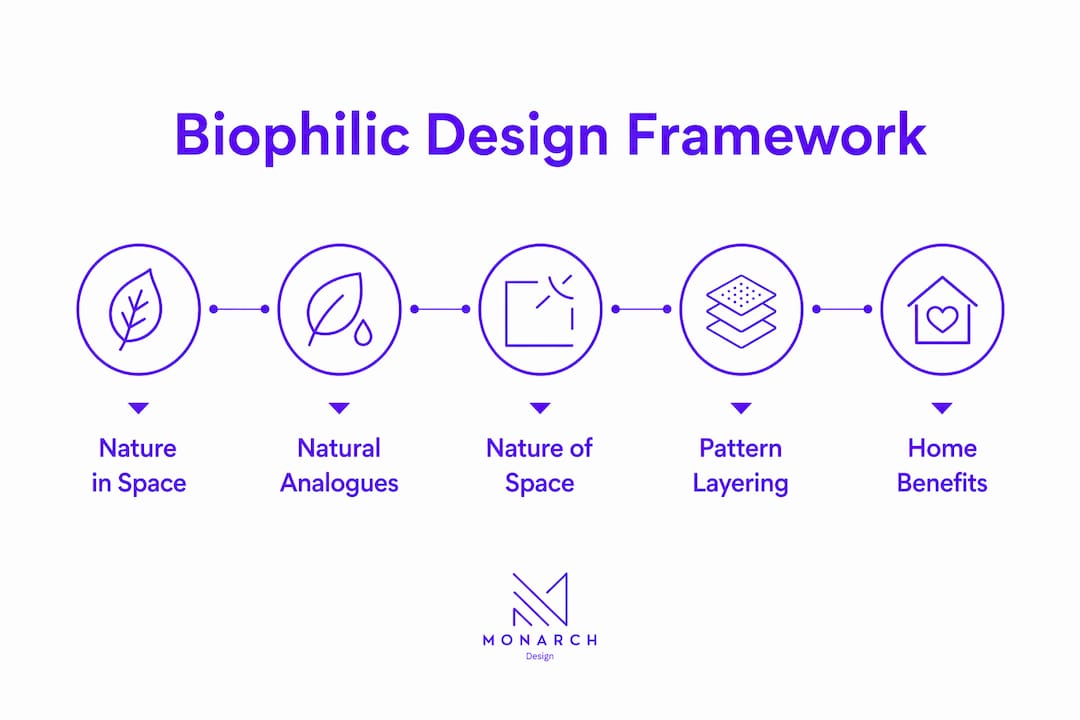
Biophilic design principles are organized into three categories, as defined by Terrapin Bright Green’s 14-pattern framework: Nature in the Space, Natural Analogues, and Nature of the Space. Each category addresses a different way humans connect with the natural world indoors. Together, they form the most widely used structure for applying biophilic thinking to real interiors.
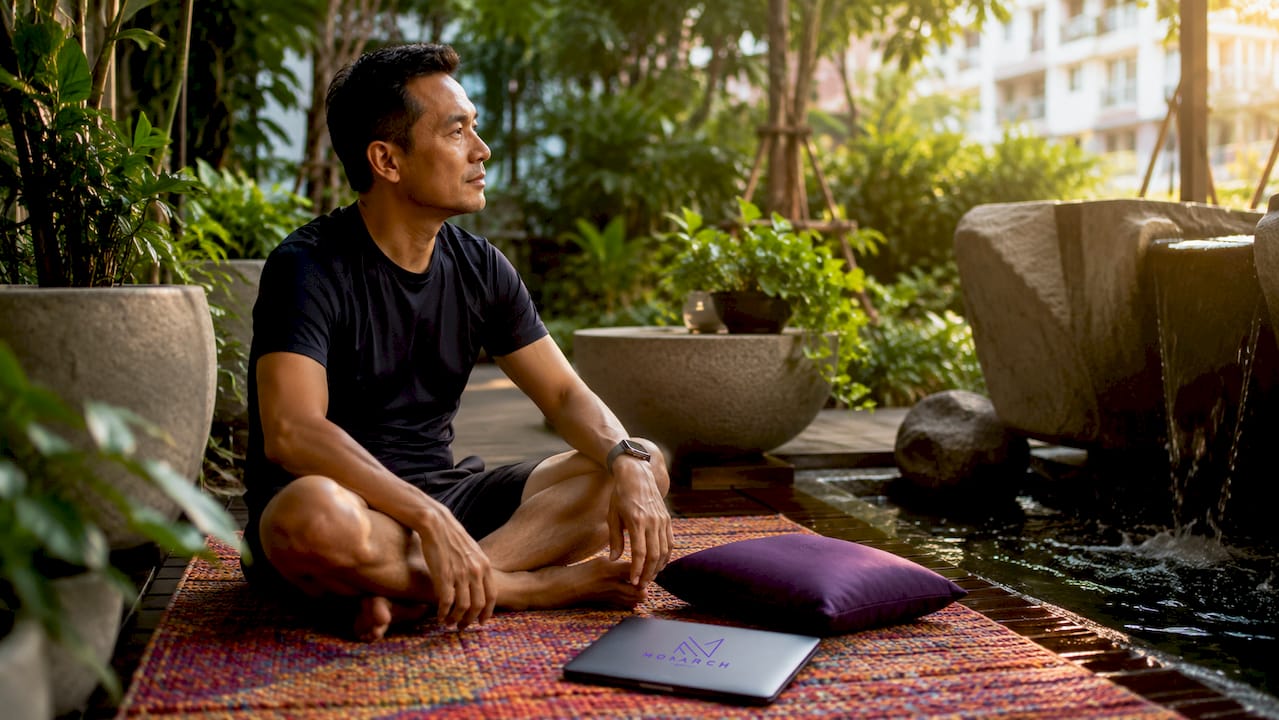
Nature in the Space covers direct contact with living or natural elements. Think indoor plants, water features, natural light, and fresh air. These are the most visible expressions of biophilic design and the easiest entry point for homeowners.
Natural Analogues address indirect references to nature. This includes organic shapes in furniture, wood grain textures, fractal patterns in textiles, and nature-inspired artwork. You do not need a living wall to achieve this. A burl wood coffee table or a linen cushion with a leaf print activates the same neural pathways.
Nature of the Space is the most overlooked category. It covers spatial configurations that mirror natural environments, such as prospect (a wide, open view), refuge (a sheltered, enclosed nook), and mystery (a partially obscured view that draws you forward). These patterns respond to primal spatial instincts shaped over thousands of years of human evolution.
Pattern layering is the most effective strategy for creating restorative spaces. Combining dynamic natural light with organic furniture shapes and a spatial refuge in the same room produces stronger wellbeing benefits than any single element alone.
Category | Representative patterns | Home example |
Nature in the Space | Natural light, plants, water, air | South-facing windows, grouped planters |
Natural Analogues | Biomorphic forms, natural materials | Burl wood shelving, fractal-print textiles |
Nature of the Space | Prospect, refuge, mystery | Open living area with a window seat alcove |
Pro Tip: When redesigning a room, aim to include at least one element from each of the three categories. A single plant does not make a biophilic space. Layering natural light, an organic-shaped chair, and a cozy reading nook does.
What are the measurable benefits of biophilic interiors?
The benefits of biophilic interiors go well beyond aesthetics. Productivity gains of 9–15% and creative performance improvements of up to 50% have been documented in workplaces that apply biophilic design principles. Those numbers reflect what happens when stress drops and focus sharpens, which are outcomes that apply equally to a home office or a study corner.
The physical health benefits are measurable even with brief exposure. Just 5–10 minutes around biophilic elements can lower blood pressure, reduce negative emotions, and activate the parasympathetic nervous system. That is the body’s rest-and-recovery mode. A well-designed living room can trigger it without any deliberate effort from the person sitting in it.
The environmental case is equally strong. Buildings that use biophilic strategies for natural ventilation, natural lighting, and thermal regulation achieve 20–30% energy savings compared to traditional interiors. For Singapore homeowners managing year-round cooling costs, that figure carries real weight.
Key benefits supported by research include:
Reduced stress and lower blood pressure from short-term nature exposure
Improved cognitive performance and emotional wellbeing
Productivity and creativity gains in work and study environments
Energy savings through passive natural light and ventilation strategies
Greater sense of comfort and spatial safety from refuge-style configurations
Pro Tip: Before spending on a renovation, try repositioning your furniture to maximize your view of an outdoor green space or a window. Post-occupancy measurement using self-reported stress or sleep quality is a simple way to confirm whether a change is working.
How does biophilic design differ from green or sustainable building?
Biophilic design and green building are not the same thing. A building can be energy-efficient without being biophilic, and a biophilic space does not automatically meet sustainability certification standards. The distinction matters because the two approaches serve different goals.
Green building focuses on technical performance: energy consumption, water use, material sourcing, and carbon footprint. Biophilic design focuses on occupant experience. It asks how a space makes people feel, whether it reduces stress, supports focus, and satisfies deep evolutionary needs for connection with the natural world.
The two approaches complement each other well. A home with solar-optimized windows can also be designed to flood a reading corner with morning light, serving both energy efficiency and biophilic comfort. But a building with a high Green Mark rating in Singapore is not automatically a biophilic environment if the interior lacks natural materials, organic forms, or spatial variety.
Homeowners benefit from understanding this distinction because it clarifies where to invest. Sustainability upgrades reduce running costs. Biophilic design upgrades improve daily quality of life. Both are worth pursuing, and neither replaces the other.
How can homeowners create biophilic spaces effectively and affordably?
Biophilic design can be affordable with thoughtful choices. Large living walls and full renovations get the most attention, but low-intensity interventions deliver real results at a fraction of the cost. The key is knowing which elements to prioritize.
Here are practical steps to get started:
Maximize natural light. Reposition furniture so seating faces windows. Use sheer curtains instead of blackout blinds in living areas. Natural light is the single most impactful biophilic element in any home. A detailed approach to this is covered in Monarch carpenters’ natural light design guide.
Group plants intentionally. A cluster of three to five plants reads as a natural ecosystem. Scattered single plants read as decoration. Grouping creates visual depth and a stronger connection to living systems.
Choose natural materials over synthetic ones. Wide plank timber flooring, stone countertops, rattan, and linen all activate Natural Analogues patterns. These materials age well and carry tactile warmth that synthetic surfaces cannot replicate. Monarch carpenters’ guide on natural textures in interiors explains how to layer them effectively.
Create a spatial refuge. A window seat with a low ceiling, a built-in reading nook, or a corner chair with a canopy overhead all satisfy the refuge pattern. Spatial refuges are as important for stress reduction as plants and greenery.
Use fractal patterns in textiles. Cushions, rugs, and curtains with branching or repeating organic patterns engage the Natural Analogues category without requiring structural changes.
Introduce dynamic light. Candles, dimmable warm-toned bulbs, and pendant lights that cast soft shadows mimic the changing quality of natural light. Pair this with a review of your interior lighting options for a fuller picture.
Pro Tip: After making changes, track your subjective experience for two weeks. Note sleep quality, stress levels, and how much time you voluntarily spend in the redesigned space. That data tells you more than any design checklist.
What are inspiring examples of biophilic design in interior spaces?
The most effective residential biophilic spaces combine elements from all three categories in a single room. A sun-dappled window seat illustrates this well. It delivers natural light (Nature in the Space), a view of outdoor greenery (prospect), and a sheltered alcove (refuge). Three patterns, one corner, and a measurable impact on how the room feels.
Grouped terrariums on a dining table bring living systems into a social space without requiring floor area. Stone slabs used as kitchen countertops or feature walls introduce raw natural texture that changes appearance under different lighting conditions. Burl wood panels on cabinetry carry the irregular, organic patterning that the brain reads as natural rather than manufactured.
Design feature | Biophilic category | Primary benefit |
Sun-facing window seat | Nature in the Space + Nature of the Space | Light exposure and spatial refuge |
Grouped terrariums | Nature in the Space | Visual connection to living systems |
Stone feature wall | Natural Analogues | Tactile and visual texture |
Burl wood cabinetry | Natural Analogues | Organic pattern and warmth |
Open-plan with alcove | Nature of the Space | Prospect and refuge balance |
Biophilic environments are consistently associated with reduced stress, improved cognitive performance, and stronger emotional wellbeing. The examples above show that these outcomes are achievable in ordinary homes without extraordinary budgets.
Key Takeaways
Biophilic interior design works because it addresses the evolutionary human need for nature connection through layered sensory, spatial, and material experiences, not through single decorative gestures.
Point | Details |
Three-category framework | Terrapin Bright Green’s 14 patterns organize biophilic design into Nature in the Space, Natural Analogues, and Nature of the Space. |
Pattern layering is most effective | Combining natural light, organic materials, and spatial refuge in one room produces stronger benefits than any single element. |
Health and productivity gains | Research documents 9–15% productivity gains and up to 50% creativity improvements in biophilic environments. |
Distinct from green building | Energy efficiency and biophilic design serve different goals; a sustainable building is not automatically a biophilic one. |
Affordable entry points | Fractal textiles, grouped plants, natural materials, and spatial refuges deliver real results without full renovation costs. |
Biophilic design is more than a trend. Here is what I have learned.
Most homeowners I speak with assume biophilic design means installing a vertical garden or spending heavily on a renovation. That assumption keeps them from making changes that would genuinely improve their daily lives. The science is clear, but the application does not have to be expensive or dramatic.
What I find most undervalued is the Nature of the Space category. Prospect and refuge patterns shape how safe and comfortable a room feels at a subconscious level. A living room where every seat faces a blank wall, with no sheltered corner and no view of the outdoors, will feel subtly wrong no matter how well it is decorated. Fixing that costs nothing beyond rearranging furniture.
The other mistake I see regularly is treating biophilic design as a checklist rather than a layered experience. One plant, one timber shelf, and a nature print do not make a biophilic space. The goal is to engage multiple senses simultaneously. Light, texture, form, and spatial configuration need to work together. When they do, the room stops feeling like a designed space and starts feeling like somewhere you genuinely want to be.
The future of residential interiors in Singapore and beyond will be shaped by this thinking. Density is rising, screen time is rising, and the psychological cost of disconnection from nature is rising with them. Biophilic design is not a luxury response to that pressure. It is a practical one.
— Seth Wayne
How Monarch carpenters brings biophilic design within reach
Monarch carpenters has built a strong reputation among Singapore homeowners for delivering beautifully crafted interiors at a cost that does not require compromise. Clients consistently highlight the studio’s ability to translate biophilic design principles into real homes, using natural materials, bespoke carpentry, and thoughtful spatial planning to create spaces that feel genuinely restorative.

The team at Monarch carpenters works closely with each homeowner to understand how they live and what they need from their space. Whether that means designing a built-in window seat that doubles as a refuge, specifying wide-plank timber flooring, or planning a layout that draws natural light deep into the home, the approach is always practical and personal. Explore Monarch carpenters’ residential design work to see how biophilic principles translate into spaces that earn great feedback and stand the test of time.
FAQ
What is biophilic interior design in simple terms?
Biophilic interior design is the practice of integrating natural elements, materials, and spatial patterns into indoor spaces to support human wellbeing and strengthen the connection to nature. It draws on evolutionary biology and applies to homes, offices, and any built environment.
What are the core biophilic design elements for a home?
The core elements include natural light, living plants, natural materials like wood and stone, organic shapes in furniture and textiles, and spatial configurations such as window seats and sheltered reading nooks. Layering elements from all three categories produces the strongest results.
How quickly do biophilic interiors improve wellbeing?
Research shows that even 5–10 minutes of exposure to biophilic elements can lower blood pressure and reduce negative emotions. Longer-term benefits, including improved focus and reduced stress, build with consistent daily exposure.
Does biophilic design have to be expensive?
Biophilic design does not require a full renovation. Low-cost interventions like repositioning furniture toward windows, grouping plants, adding fractal-patterned textiles, and using natural material accents deliver measurable benefits at modest cost.
Is biophilic design the same as sustainable or green building?
No. Green building focuses on energy efficiency, water use, and material sustainability. Biophilic design focuses on occupant psychological experience and human-nature connection. A building can achieve one without the other, though combining both produces the best outcomes.
Recommended
Comments