
Types of Interior Design Styles for Singapore Homes
- Monarch

- Jun 8
- 9 min read
TL;DR:
Singaporean interior design choices prioritize styles like Tropical, Japandi, and Minimalist that suit the local climate and spatial constraints. Selecting a dominant style and aligning it with emotional and practical needs ensures a cohesive and functional space. Blending styles thoughtfully and observing your daily living habits lead to personalized, enduring home aesthetics.
Interior design styles are distinct aesthetic systems defined by specific combinations of color palettes, materials, spatial arrangements, and overall atmosphere. Understanding the major types of interior design styles gives Singapore homeowners and renters a practical framework for making confident design decisions, whether you are furnishing a new HDB flat, a condominium unit, or a landed property. Professional designers at studios like Monarch carpenters use this knowledge daily to translate client preferences into spaces that are both beautiful and built to last.
What are the most popular types of interior design styles for Singapore homes?
The ten styles below represent the most widely chosen and professionally executed options across Singapore’s residential market. Each one carries a distinct visual identity and suits different lifestyles, budgets, and spatial constraints.
1. Contemporary
Contemporary design reflects current trends in 2026, incorporating styles like Bohemian, Biophilic, and Industrial into a fluid, ever-evolving aesthetic. It favors neutral base tones layered with bold accent pieces, clean furniture silhouettes, and mixed materials such as glass, metal, and natural stone. Contemporary interiors feel fresh without being cold, making them a strong fit for Singapore condominiums where open-plan layouts are common.
Best for: Urban apartments and condos with open-plan layouts
Key materials: Glass, brushed metal, concrete, natural stone
Color palette: Whites, grays, and warm neutrals with bold accents
2. Modern
Modern design refers specifically to an early 20th-century movement built on clean lines, functional forms, and a deliberate rejection of ornamentation. It is not the same as contemporary, though the two are frequently confused. Modern interiors use a strict neutral palette, flat surfaces, and furniture with exposed structural elements, creating spaces that feel ordered and purposeful.
Best for: Homeowners who prefer discipline and visual calm
Key materials: Steel, glass, polished concrete, teak
Color palette: Black, white, warm wood tones
3. Minimalist
Minimalism emphasizes living with less, using light, contrast, and negative space as the primary design tools. Every object in a minimalist room earns its place. This style works exceptionally well in Singapore’s smaller HDB units, where reducing visual clutter makes compact spaces feel significantly larger and more breathable.
Best for: Small apartments, HDB flats, solo occupants
Key materials: White walls, light wood, linen, matte finishes
Color palette: White, off-white, soft gray, natural wood
4. Scandinavian
Scandinavian design combines minimalist principles with warmth and texture, producing interiors that feel both spare and inviting. Originating from Nordic countries, it relies on natural light, pale wood, and cozy textiles like wool and cotton. In Singapore, where natural light is abundant year-round, Scandinavian interiors translate beautifully without requiring the artificial warmth that Nordic climates demand.
Best for: Families, young couples, renters who want a timeless look
Key materials: Light oak, linen, wool, ceramic
Color palette: White, beige, soft blue, sage green
5. Japandi
Japandi merges Japanese wabi-sabi philosophy with Scandinavian hygge sensibility, producing spaces that are restrained, tactile, and deeply calming. Singapore homes benefit from Japandi’s emphasis on natural materials and neutral palettes, which respond well to the tropical climate and the need for functional, clutter-free living. Low-profile furniture, handcrafted ceramics, and muted earth tones define this style.
Best for: Homeowners seeking calm, mindful interiors
Key materials: Bamboo, rattan, linen, dark walnut
Color palette: Warm beige, charcoal, clay, sage
6. Industrial
Industrial design draws from converted warehouses and factories, using exposed brick, raw concrete, steel pipes, and reclaimed wood as its signature vocabulary. In Singapore, where authentic brick walls are rare, designers replicate the look through textured wallpapers, concrete-effect finishes, and metal-framed furniture. It pairs well with high ceilings found in some older shophouses and newer loft-style apartments.
Best for: Loft apartments, creative professionals, bold personalities
Key materials: Exposed concrete, steel, reclaimed wood, Edison bulbs
Color palette: Gray, charcoal, rust, dark brown
7. Bohemian
Bohemian interiors celebrate personal expression through layered textiles, global artifacts, plants, and rich, saturated colors. No two Bohemian spaces look alike, which is precisely the point. For Singapore renters who cannot make structural changes, Bohemian design is one of the most accessible styles because it relies almost entirely on furnishings, soft goods, and decorative objects rather than built-in elements.
Best for: Renters, creatives, collectors, plant enthusiasts
Key materials: Macramé, rattan, velvet, kilim rugs, terracotta
Color palette: Jewel tones, earthy reds, mustard, deep green
8. Art Deco
Art Deco brings glamour and geometry to residential interiors through bold symmetry, metallic finishes, and rich jewel-toned upholstery. Originating in 1920s Paris and New York, it has found a strong following among Singapore homeowners renovating older properties or designing entertainment-focused living rooms. Velvet sofas, gold-trimmed mirrors, and herringbone parquet floors are hallmarks of this style.
Best for: Formal living rooms, master bedrooms, entertainment spaces
Key materials: Velvet, marble, brass, lacquered wood
Color palette: Emerald, navy, black, gold
9. Tropical
Tropical design is purpose-built for warm, humid climates like Singapore’s. It draws on natural materials such as rattan, bamboo, and teak, paired with lush indoor plants and breezy, light-filtering fabrics. The style acknowledges the local environment rather than fighting it, making spaces feel connected to the outdoors. Louver windows, ceiling fans, and open layouts amplify the effect.
Best for: Landed properties, ground-floor units, nature lovers
Key materials: Rattan, bamboo, teak, jute, tropical plants
Color palette: Warm whites, terracotta, forest green, sandy beige
10. Transitional
Transitional design sits between traditional and contemporary, blending classic furniture forms with modern finishes and neutral palettes. It is the most forgiving style to execute because it accommodates a wide range of furniture and decor choices without visual conflict. Many Singapore homeowners gravitate toward transitional interiors because the style ages gracefully and adapts easily as tastes evolve.
Best for: Families, multi-generational homes, first-time homeowners
Key materials: Upholstered furniture, mixed metals, natural stone
Color palette: Warm gray, cream, taupe, soft navy
Pro Tip: When exploring popular interior design styles, look at your wardrobe first. Your clothing preferences in texture and color often mirror your interior design instincts more accurately than any online quiz.
How these styles compare visually and functionally
Modern versus Contemporary is the most common point of confusion in residential design. Modern is a fixed historical style; contemporary shifts with the times. Choosing “modern” locks you into a specific visual language, while “contemporary” gives you flexibility to incorporate current trends.
“Start by identifying how you want a space to feel emotionally before focusing on visual labels or trends.” — Design experts recommend this approach as the most consistent foundation for defining personal style.
Style | Color scheme | Key materials | Ambiance | Best space |
Minimalist | White, gray, natural wood | Plaster, linen, matte surfaces | Calm, spacious | Small HDB flats |
Industrial | Gray, charcoal, rust | Concrete, steel, reclaimed wood | Raw, urban | Loft apartments |
Japandi | Beige, charcoal, clay | Bamboo, dark walnut, linen | Serene, tactile | Condominiums |
Tropical | White, green, terracotta | Rattan, teak, bamboo | Airy, natural | Landed properties |
Art Deco | Emerald, gold, navy | Velvet, marble, brass | Glamorous, bold | Formal living rooms |
Minimalism contrasts sharply with maximalism in both emotional and functional terms. Minimalism reduces cognitive load and makes cleaning easier, while maximalism creates richness and personality at the cost of visual complexity. Neither is objectively superior. The right choice depends on how you live, not how a space photographs.
What to consider when choosing an interior design style
Emotional function drives better design decisions than visual trend-chasing. Before selecting a style, ask yourself: do I want this room to energize me, calm me, or impress guests? That single question eliminates roughly half the style options immediately.
Location shapes design in ways that are easy to underestimate. A Farmhouse style that looks charming in a rural setting reads as incongruous in a Singapore HDB block. Styles must be adapted to geographic and spatial constraints, which is why Tropical and Japandi consistently outperform European country styles in Singapore’s urban context.
Consider these practical factors before committing to a style:
Home size and ceiling height: Minimalist and Scandinavian styles work best in smaller spaces; Industrial and Art Deco need volume to breathe.
Natural light levels: North-facing units benefit from warmer palettes; south-facing units can handle cooler, more neutral tones.
Lifestyle and maintenance: Bohemian interiors require regular dusting of layered objects; Minimalist spaces demand discipline in keeping surfaces clear.
Rental restrictions: Renters should prioritize styles achievable through furniture and soft furnishings rather than built-in carpentry or wall treatments.
Budget: Transitional and Scandinavian styles are generally more cost-effective to execute than Art Deco or full Tropical builds.
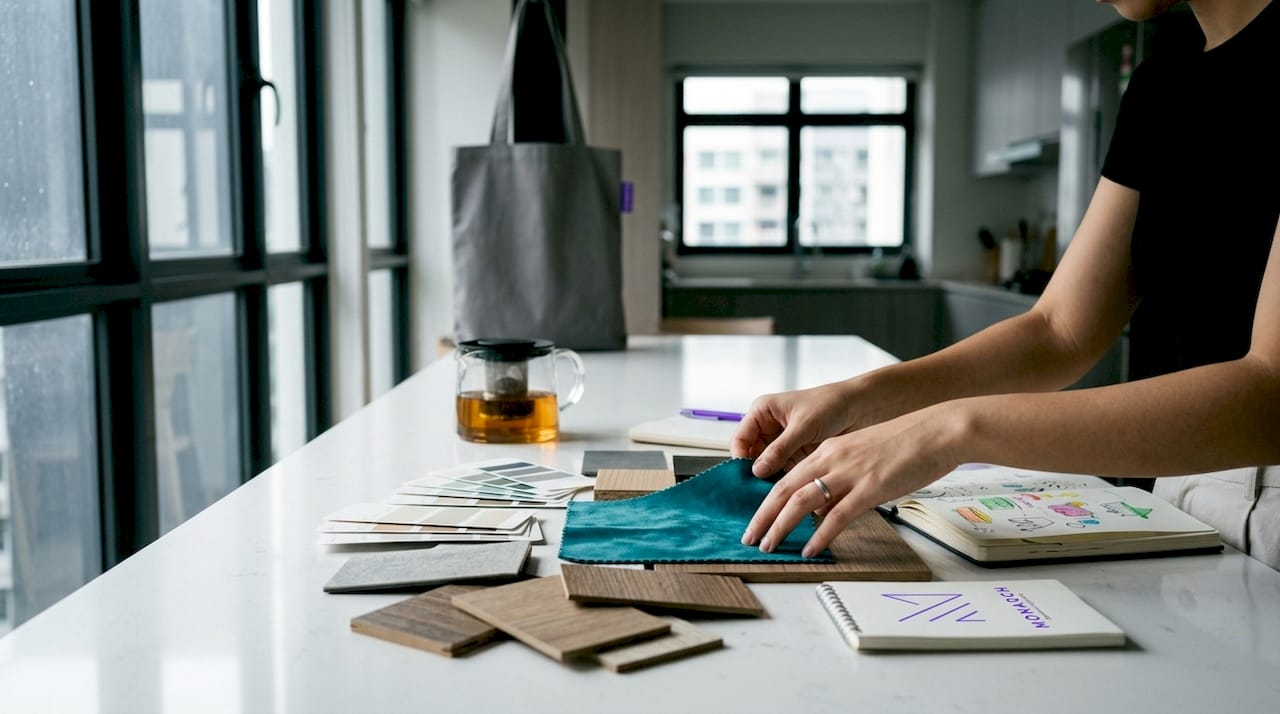
Pro Tip: Create a design mood board before purchasing a single piece of furniture. Collect images, fabric swatches, and paint chips in one place to test whether your chosen style holds together visually before you spend anything.
How to blend multiple interior design styles effectively
Blending styles successfully requires one dominant style supported by one secondary style, a consistent color palette across both, and careful management of scale so that no single piece overwhelms the room. Attempting to mix three or more styles without a clear hierarchy produces visual noise rather than personality.
Here is a practical process for combining styles in Singapore homes:
Choose your dominant style first. Allocate roughly 70% of your design decisions to this style, including flooring, wall color, and major furniture pieces.
Select one complementary style. The remaining 30% introduces contrast and character. Japandi plus Tropical works well in Singapore because both share natural materials and a calm palette.
Establish a shared color thread. Pick two or three colors that appear in both styles and repeat them across the room in different proportions and textures.
Mix materials deliberately. Industrial with Minimalist touches works because both use concrete and metal. Pairing Art Deco with Bohemian is harder because their material vocabularies conflict.
Edit ruthlessly. After arranging a room, remove one item. If the space improves, keep removing. If it feels incomplete, you have found the right balance.
For space planning guidance specific to Singapore layouts, understanding how furniture placement interacts with your chosen style is as important as the style itself.
Key takeaways
Choosing the right interior design style requires matching emotional function, spatial constraints, and local climate to a coherent aesthetic system rather than simply following trends.
Point | Details |
Emotional function first | Decide how you want a room to feel before selecting a visual style. |
Climate shapes style | Japandi and Tropical suit Singapore’s heat and humidity better than most European styles. |
Dominant style rule | Assign 70% of design decisions to one style to maintain visual coherence. |
Wardrobe as diagnostic | Your clothing textures and colors reliably predict your interior design preferences. |
Mood boards save money | Testing a style visually before purchasing prevents costly furniture mistakes. |
What I have learned about choosing design styles in Singapore
I have reviewed hundreds of Singapore home transformations, and the single most consistent mistake I see is homeowners choosing a style because it photographs well on Instagram rather than because it suits how they actually live. A Japandi bedroom looks extraordinary in a curated photo. It also means you cannot leave a book on the nightstand without the room feeling “off.” That is a real daily cost that no mood board captures.
The styles most often overlooked in Singapore are Transitional and Tropical. Transitional gets dismissed as “boring” by homeowners who want a strong visual statement, but it is the style most likely to still feel right in ten years. Tropical gets dismissed as “too resort-like,” yet it is the only style that actively works with Singapore’s climate rather than against it. Rattan furniture, cross-ventilation, and indoor plants are not just aesthetic choices here. They are practical responses to a hot, humid environment.
My honest advice: resist the pressure to pick a trendy style and instead spend time in your space before renovating. Notice where the light falls at different times of day, which corners feel cramped, and which areas you naturally gravitate toward. That observation period will tell you more about the right style than any article, including this one.
— Seth Wayne
How Monarch carpenters can bring your design style to life
Monarch carpenters has built a strong reputation among Singapore homeowners for translating design style preferences into finished spaces that are both beautiful and genuinely affordable. Clients consistently highlight the studio’s ability to deliver bespoke carpentry and thoughtful design at a price point that does not require compromise on quality. Whether you are drawn to the calm of Japandi, the warmth of Tropical, or the discipline of Minimalism, the team at Monarch carpenters works closely with you from mood board to final installation. If you are ready to move from inspiration to execution, reach out for a consultation and discover why so many Singapore homeowners trust Monarch to get it right the first time.
FAQ
What are the most popular interior design styles in Singapore?
Contemporary, Minimalist, Japandi, Scandinavian, and Tropical are the most widely chosen styles in Singapore homes. These styles suit the local climate, urban spatial constraints, and the preference for functional, clutter-free living.
What is the difference between modern and contemporary design?
Modern design refers to a fixed early 20th-century aesthetic defined by clean lines and neutrality, while contemporary design reflects current trends and evolves over time. The two terms are not interchangeable.
How do I choose an interior design style for a small HDB flat?
Start by identifying how you want the space to feel, then prioritize styles like Minimalist or Scandinavian that use light, neutral palettes, and low-profile furniture to make compact spaces feel larger. Avoid styles with heavy ornamentation or large-scale furniture.
Can I mix two interior design styles in one home?
Yes, and many of the most interesting Singapore interiors do exactly that. The key is choosing one dominant style for 70% of your decisions and one complementary style for the remaining 30%, while maintaining a consistent color palette across both.
How does Singapore’s climate affect interior design choices?
Singapore’s heat and humidity make natural materials like rattan, bamboo, and teak more practical than synthetic alternatives, and styles adapted to tropical environments perform better long-term. Japandi and Tropical both prioritize these materials alongside neutral palettes and functional layouts.
Recommended
Comments