
Dining Area Built-In Bench Design for Singapore Homes
- Monarch

- Jun 3
- 8 min read
TL;DR:
A built-in dining bench, or banquette, maximizes space and creates a cohesive aesthetic in Singapore homes. Proper seat dimensions, secure wall anchoring, and thoughtful styling are essential for lasting comfort and visual appeal. Investing in quality finishes, precise measurements, and durable fabrics ensures a functional, elegant, and maintenance-friendly dining area.
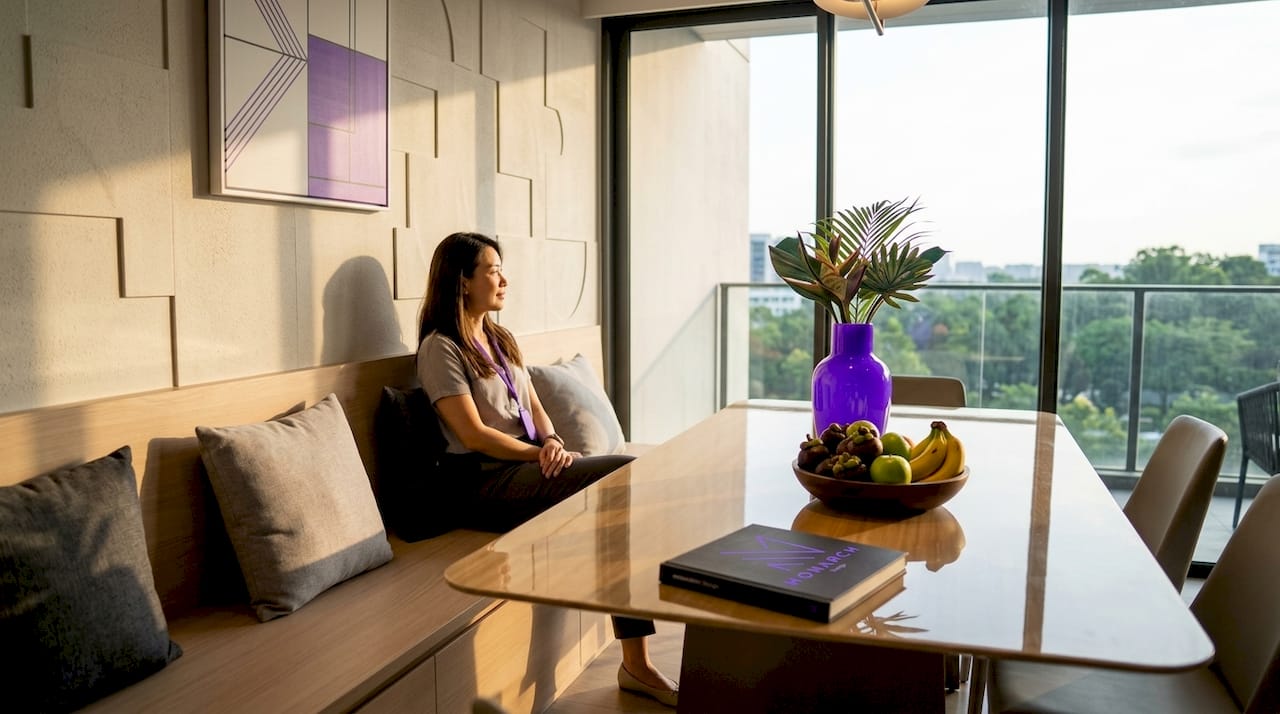
A dining area built-in bench design is a fixed, wall-anchored seating structure, also called a banquette, that replaces freestanding chairs along one or more sides of a dining table. For Singapore homeowners managing compact HDB flats or landed property dining rooms, this approach solves two problems at once: it reclaims floor space that chairs would otherwise occupy, and it creates a cohesive, intentional aesthetic that freestanding furniture rarely achieves. Replacing traditional chairs with built-in benches can increase seating capacity by up to 10 to 15% in compact spaces, which is a meaningful gain when every square foot counts.
What are the optimal seat dimensions for a dining area built-in bench?
Seat dimensions determine whether your banquette feels like a pleasure to sit at or a daily frustration. The recommended seat depth for built-in dining benches is 17 to 20 inches, which keeps you close enough to the table without feeling perched on the edge. Going deeper than 20 inches forces you to lean forward uncomfortably, while anything shallower than 17 inches feels like a church pew.
Seat height is equally critical. A standard seat height of 18 inches from floor to the top of the cushion pairs correctly with a 30-inch dining table, maintaining the ergonomic 10 to 12-inch gap between seat and tabletop that allows comfortable arm positioning. If you plan to use a thicker foam cushion, factor that into your frame height before cutting any wood.
Choosing the right bench shape for your room
L-shaped, straight, and U-shaped layouts each serve a different room geometry. Here is how they compare:
Layout | Best room type | Seating capacity | Key trade-off |
Straight | Narrow dining rooms, one-wall installations | Moderate | Limits seating to one side only |
L-shaped | Corner spaces, square rooms | High | Requires corner detail work |
U-shaped | Large dining areas, family-focused spaces | Highest | Reduces open floor area significantly |
For most Singapore HDB dining rooms, the L-shaped built-in bench is the most practical choice. It tucks into a corner, maximizes seating along two walls, and leaves the remaining sides open for chairs or circulation. The U-shaped configuration suits larger condo dining rooms where gathering capacity matters more than open floor space.
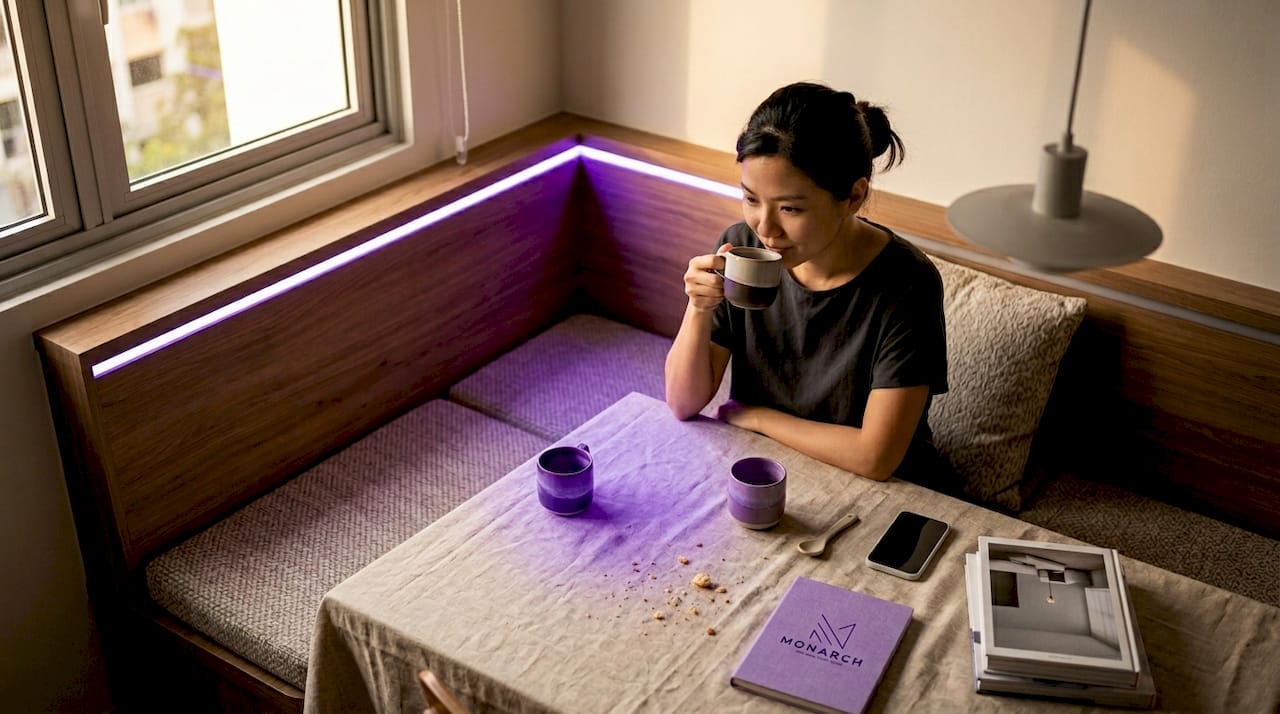
Backrest height also deserves attention. A backrest between 18 and 20 inches above the seat provides lumbar support without visually overwhelming a small room. Pair that with a 3 to 4-inch foam cushion for comfort, and your frame height should sit at 14 to 15 inches before upholstery.
How to plan your dining area before bench installation
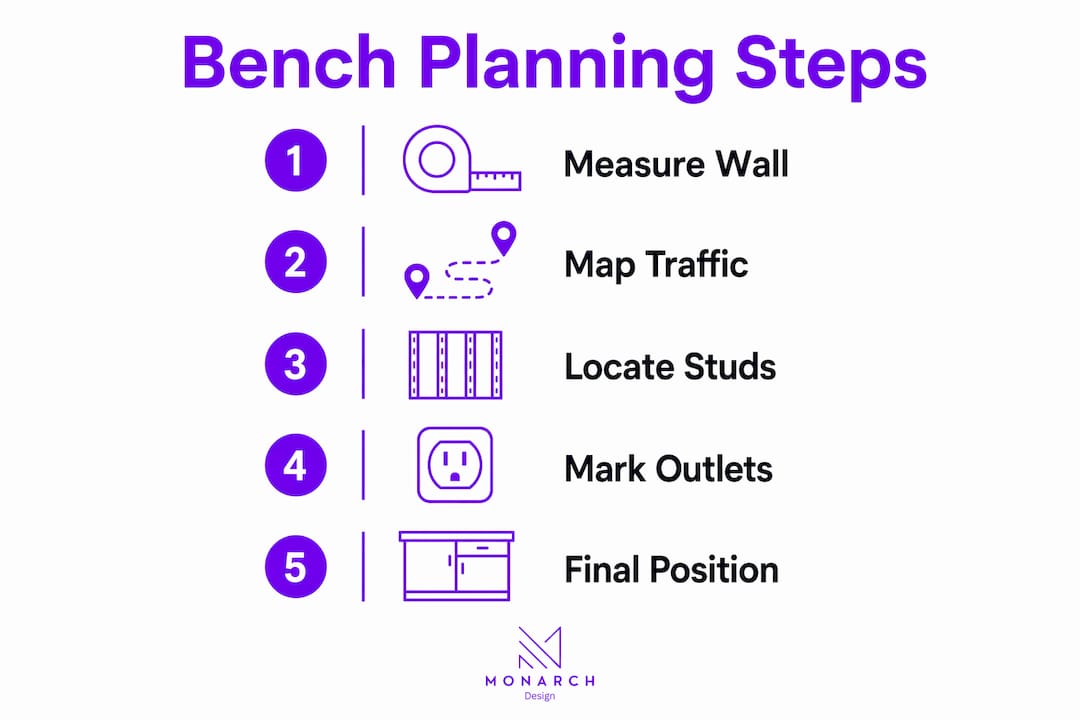
Measuring accurately before you build prevents costly mistakes. Start by recording the full wall length, then subtract for any baseboards, electrical outlets, or wall-mounted fixtures that fall within the bench footprint. In Singapore homes, air-conditioning units and power points are often positioned low on dining room walls, and relocating baseboard heaters or electrical outlets may be necessary to achieve a clean, built-in appearance and maintain safety compliance.
Next, map your traffic flow. The bench should not block the path between the kitchen and the dining table, and you need at least 36 inches of clearance between the bench edge and any opposing wall or furniture. For furniture layout planning in Singapore homes, this clearance rule is the single most common measurement that homeowners underestimate.
Planning step | What to measure | Why it matters |
Wall length | Full length minus obstructions | Sets maximum bench run |
Seat depth | 17 to 20 inches from wall | Determines table placement |
Clearance | 36 inches minimum to opposite wall | Maintains safe traffic flow |
Stud locations | Every 16 inches on center | Required for secure anchoring |
Locate wall studs using a stud finder before finalizing your bench position. Anchoring the bench frame to wall studs and using shims for level installation prevents structural wobble and uneven seating surfaces over time. Mark stud positions clearly on the wall before framing begins.
Pro Tip: Photograph all wall outlet and stud locations before you start building. Once the bench frame goes up, those reference points disappear, and you will need them for future repairs or modifications.
What are the steps to build a built-in dining bench with storage?
A well-built dining bench frame starts with 2x4 lumber for the structural skeleton and 3/4-inch plywood for the seat platform and side panels. Building the frame from 2x4 lumber and plywood produces a sturdy structure that supports cushions and daily use, with materials that typically cost under $300 SGD for a standard 6-foot bench run.
Follow these steps for a clean, durable result:
Cut and assemble the base frame. Build a rectangular box from 2x4 lumber at your target height (14 to 15 inches for a cushioned seat). Use wood screws and construction adhesive at every joint for rigidity.
Anchor to the wall. Position the frame against the wall, check for level using shims where needed, and drive 3-inch screws through the back of the frame directly into wall studs. This step is non-negotiable for stability.
Attach the seat platform. Cut 3/4-inch plywood to fit the top of the frame. If you are adding storage, install piano hinges along the back edge so the lid lifts cleanly. Hinged or lift-top seat lids reduce clutter and add meaningful storage in compact dining rooms.
Add side panels and trim. Cut plywood panels for the visible sides and front face. Apply MDF trim or wood molding to match your existing skirting boards. This trim work is what separates a built-in look from a box sitting against a wall.
Paint and finish. Apply two coats of water-based semi-gloss paint for durability and easy cleaning. Sand lightly between coats for a smooth surface.
Install cushions. Order cushions cut to your exact seat dimensions. Splitting long bench cushions into multiple sections improves maintenance and preserves shape over time. Three cushions for a 6-foot bench is the standard approach.
The most common mistake at this stage is rushing the trim and paint finish. The structural work takes one weekend; the finishing work is what determines whether the bench looks custom-built or homemade.
Pro Tip: If your bench runs longer than 5 feet, divide the storage interior into two compartments using a central divider. This prevents items from sliding around and makes the lift-top lid easier to manage with one hand.
How to style your built-in bench to suit a Singapore home interior
Styling transforms a functional bench into a dining room focal point. Fabric selection is the most consequential decision. Performance upholstery fabrics like Crypton or Sunbrella with a 30,000-plus double rubs rating handle the spills and daily wear that dining areas generate. In Singapore’s humid climate, moisture-resistant fabrics also resist mold and odor buildup that standard upholstery cannot.
Consider these styling elements to complete the dining nook:
Cushion layering. Use a firm base cushion for seat support and add a softer back cushion in a contrasting texture. Linen, boucle, and performance velvet all work well in Singapore dining rooms.
Pendant lighting. A pendant light positioned 30 to 36 inches above the table surface anchors the dining nook visually and creates warmth. Pendant lighting and layered pillows are the two elements that most consistently transform a built-in bench from functional to inviting.
Rugs. A low-pile rug under the dining table defines the zone without creating a tripping hazard at bench entry points.
Plants and artwork. A single framed print or a trailing pothos on a wall shelf above the bench adds personality without visual clutter.
For contemporary Singapore interiors, the most effective color approach is a neutral bench frame (white, warm gray, or natural timber) paired with cushions in a single accent color that ties to the rest of the room. This keeps the bench grounded in the overall scheme rather than competing with it.
Key takeaways
A well-executed dining area built-in bench design requires precise seat dimensions, secure wall anchoring, and thoughtful styling to deliver lasting comfort and visual appeal in Singapore homes.
Point | Details |
Seat dimensions matter most | Target 17 to 20 inches depth and 18 inches height for ergonomic dining comfort. |
Shape selection drives space efficiency | L-shaped layouts suit most Singapore HDB corners; U-shaped suits larger condo dining rooms. |
Anchoring to studs is non-negotiable | Secure framing to wall studs with shims for level, wobble-free installation. |
Storage adds real function | Lift-top lids with divided compartments reduce clutter in compact dining rooms. |
Performance fabric extends bench life | Crypton or Sunbrella fabrics with 30,000-plus double rubs handle Singapore’s dining conditions. |
Why I think most homeowners underestimate the finishing work
Seth Wayne
After reviewing dozens of built-in bench projects across Singapore homes, the pattern is consistent: homeowners spend 80% of their budget and attention on the frame and storage, then rush the trim, paint, and cushion selection in the final stretch. The result is a bench that functions well but never quite looks like it belongs. The built-in illusion lives entirely in the details. Trim that matches your skirting boards, paint that aligns with your cabinetry, and cushions cut to exact dimensions are what make a bench read as architecture rather than furniture.
The second observation is about cushion foam and internal framing design. Cheap foam compresses within six months under daily dining use, and a sagging cushion undermines both comfort and the visual line of the bench. Investing in high-density foam (at least 1.8 lb density) at the outset costs more upfront but preserves the bench’s ergonomics and appearance for years. This is the single upgrade that separates a bench you enjoy from one you tolerate.
Finally, easy cleaning access into storage benches matters more in Singapore’s climate than most guides acknowledge. Humidity and food proximity create conditions where upholstery and interior storage surfaces need regular attention. Design your lift-top lids and cushion covers for removal and cleaning from day one, not as an afterthought.
— Seth Wayne
How Monarch carpenters can design your ideal dining bench

Monarch carpenters has built a strong reputation among Singapore homeowners for delivering bespoke dining bench designs that combine craftsmanship with cost-effective pricing. Clients consistently highlight the studio’s ability to translate a rough idea into a finished bench that fits the room’s exact dimensions, material palette, and storage requirements. From built-in furniture design to full dining area installations, Monarch carpenters handles every stage in-house, which keeps quality consistent and timelines tight. If you are ready to transform your dining area with a custom bench that is beautiful, practical, and built to last, visit Monarch carpenters to explore options and request a quote.
FAQ
What is the standard seat depth for a built-in dining bench?
The standard seat depth for a built-in dining bench is 17 to 20 inches. This range keeps you close enough to the table for comfortable dining without feeling unstable.
How much does a DIY built-in dining bench cost in Singapore?
A basic DIY built-in bench frame using 2x4 lumber and plywood typically costs under $300 SGD in materials. Cushions, fabric, and finishing materials add to that figure depending on your choices.
What bench shape works best for a small HDB dining room?
An L-shaped built-in bench suits most HDB dining rooms because it uses corner space efficiently and maximizes seating along two walls. It leaves the remaining sides open for chairs or circulation.
Do I need a professional carpenter to build a built-in dining bench?
A confident DIYer can build a basic bench frame, but anchoring correctly to wall studs, managing electrical outlets, and achieving a polished trim finish benefit significantly from professional carpentry experience. Monarch carpenters specializes in exactly this type of work for Singapore homes.
How do I keep built-in bench cushions clean in Singapore’s climate?
Choose performance fabrics like Crypton or Sunbrella with removable covers, and design your cushion sections to lift out independently. This makes regular cleaning practical and extends the life of your upholstery in humid conditions.
Recommended
Comments