
The Role of Carpentry in Home Design for Singapore Homes
- Monarch

- Jun 7
- 9 min read
TL;DR:
Carpentry shapes both the structural framework and aesthetic details, significantly influencing a home’s character and appeal. Skilled finish carpentry, such as precise moldings and built-ins, enhances visual quality, adds value, and maximizes space in small Singapore homes, especially HDB flats. Effective collaboration with experienced carpenters ensures a cohesive, beautifully finished interior aligned with design concepts and long-term durability.
Carpentry in home design is defined as the practice of shaping, joining, and finishing wood to create both the structural framework and the decorative details that give a home its character. The role of carpentry in home design extends far beyond hammering nails into framing lumber. It determines how a room feels, how space is used, and how long a home holds its visual appeal. From the rough framing that supports your walls to the trim moldings that frame your doorways, skilled carpentry is the craft that turns a floor plan into a livable, beautiful space. For Singapore homeowners working with compact HDB flats or modern condominiums, understanding what carpentry contributes to your interior is the first step toward making smarter renovation decisions.
What are the main types of carpentry in home design?
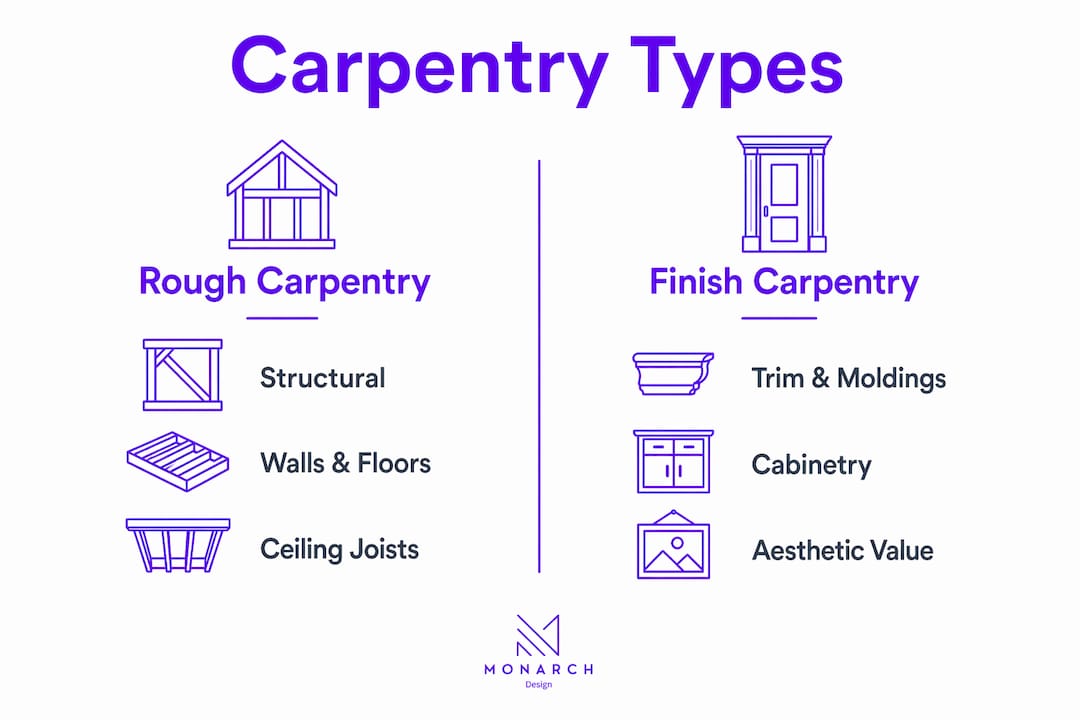
Carpentry in interior design splits into two distinct disciplines: rough carpentry and finish carpentry. Each serves a different purpose, requires different tools, and produces a different kind of result in your home.
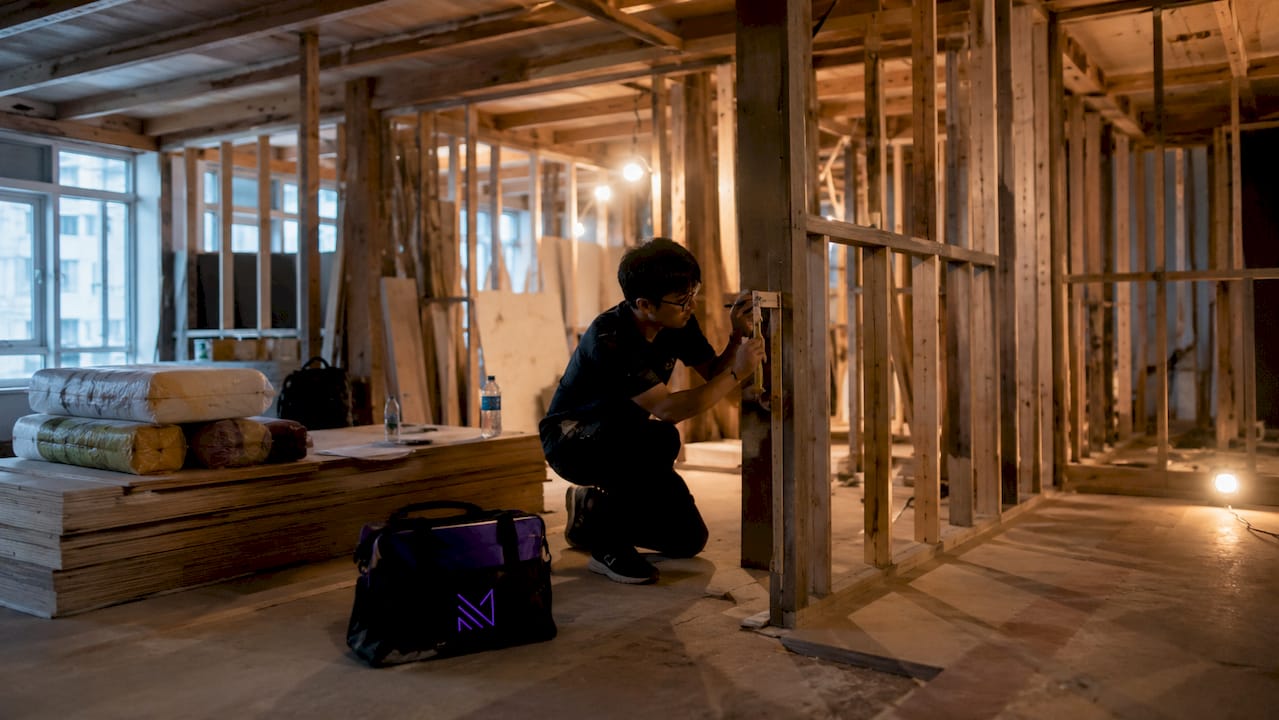
Rough carpentry covers the structural work. This includes framing walls, installing ceiling joists, building subfloors, and creating the skeleton that holds everything else in place. Carpenters contribute to nearly every stage of residential construction, from walls and ceiling framing to cabinetry and window casings. In Singapore HDB renovations, rough carpentry often involves building partition walls to reconfigure open layouts or reinforcing areas for heavy built-in storage.
Finish carpentry is where design intent becomes visible. This discipline covers trim work, moldings, built-in cabinetry, window casings, door frames, and decorative paneling. Finish carpentry transforms flat design concepts into practical, polished living spaces by defining geometry and framing spaces. The precision required is far greater than in rough work. A gap of even two millimeters in a miter joint is visible to the naked eye and signals poor craftsmanship immediately.
Here is a side-by-side comparison of both types:
Feature | Rough carpentry | Finish carpentry |
Primary purpose | Structural support and framing | Aesthetics, trim, and built-ins |
Visibility | Hidden behind walls and ceilings | Fully visible in the finished space |
Tools used | Circular saws, nail guns, levels | Miter saws, chisels, hand planes |
Precision required | Moderate (within centimeters) | High (within millimeters) |
Singapore examples | Partition walls, subfloor framing | Crown molding, custom wardrobes |
Key finish carpentry elements you will encounter in Singapore home projects include:
Baseboards and shoe molding: Protect the base of walls from scuffs and create a clean transition between wall and floor.
Crown molding: Adds a formal, finished look where walls meet ceilings, popular in contemporary and Scandinavian-style interiors.
Window and door casings: Frame openings cleanly and hide the gap between drywall and the structural frame.
Built-in cabinetry: Custom storage units designed to fit exact dimensions, maximizing every centimeter of available space.
Pro Tip: When reviewing renovation quotes, ask contractors to specify which scope is rough carpentry and which is finish carpentry. Finish work takes more time and skill, and its cost should reflect that. Bundled quotes often obscure where corners are being cut.
How does skilled carpentry improve home aesthetics and add value?
The single most underestimated factor in a home’s visual quality is the precision of its finish carpentry. Poorly executed trim makes even expensive furniture appear cheap, while quality finish carpenter work elevates the entire space. This is a truth most homeowners discover only after the renovation is complete and they cannot understand why the room still feels “off” despite costly furniture purchases.
Seamless joints and crisp transitions are the hallmarks of skilled finish work. When baseboards meet at corners with tight, clean miters, when crown molding flows continuously around a ceiling without visible seams, and when built-in shelving aligns perfectly with surrounding walls, the room reads as intentional and refined. These details signal craftsmanship to anyone who enters, even if they cannot articulate exactly what they are responding to.
Custom built-ins and millwork do more than look good. Millwork includes baseboards, casing, crown molding, built-ins, and paneling, all of which provide both protective and ornamental functions while contributing to the home’s design language. A custom entertainment unit built to ceiling height makes a living room feel larger and more purposeful. A built-in reading nook with integrated shelving turns an awkward alcove into the most-used corner of the home.
“Even small details like shoe molding or custom built-ins contribute to the overall impression and livability of spaces.” This is not decoration for decoration’s sake. It is the difference between a house that feels assembled and one that feels designed.
The financial case for quality carpentry is equally strong. Properly installed finish carpentry can add thousands of dollars to a home’s appraisal by signaling craftsmanship and quality, with real estate professionals ranking quality interior trim as a top way to boost perceived home value. For Singapore homeowners who treat their property as a long-term asset, this is a return that compounds over time. Poor finish work, by contrast, needs replacement within three years, meaning the apparent savings on a cheaper contractor evaporate quickly.
What is the role of carpentry in maximizing space in small Singapore homes?
Singapore’s housing reality is defined by constraint. The average HDB flat ranges from 60 to 110 square meters, and every square meter carries significant cost. Custom carpentry is the most effective tool for extracting maximum utility from these spaces, and it does so in ways that flat-pack furniture simply cannot match.
Here is how custom carpentry addresses the specific space challenges of Singapore HDB flats:
Eliminating dead zones around structural pillars. HDB flats frequently have exposed columns that interrupt wall lines and create unusable corners. Custom wardrobes and cabinetry built around these pillars convert dead space into functional storage without making the room feel cluttered.
Slim pull-out pantries in kitchens. A 15-centimeter gap beside a refrigerator or between two cabinets is wasted space with store-bought furniture. A custom pull-out pantry unit built to that exact width adds meaningful storage for dry goods, spices, or cleaning supplies.
Built-in benches with concealed storage. Custom carpentry solutions eliminate dead zones and awkward gaps common in Singapore HDB flats, with examples including slim pull-out pantries and wardrobes tailored to navigate structural pillars efficiently. A dining area built-in bench with a hinged seat lid provides seating, defines the dining zone, and stores bulky items like extra bedding or seasonal goods.
Floor-to-ceiling wardrobes in bedrooms. Standard freestanding wardrobes leave a gap at the top that collects dust and looks unfinished. A built-in unit that runs from floor to ceiling uses that space productively and makes the room feel taller.
Loft beds with integrated study areas. In smaller bedrooms, a carpenter-built loft structure raises the sleeping area and creates a dedicated workspace beneath, effectively doubling the functional use of the floor area.
Pro Tip: Before finalizing your renovation layout, walk through your home with a tape measure and note every gap wider than 10 centimeters. Each one is a candidate for custom carpentry. A skilled carpenter can often convert three or four of these gaps into storage that replaces the need for additional freestanding furniture.
The cost comparison between custom carpentry and store-bought furniture also favors the custom route over a five-year horizon. Custom pieces are built to exact dimensions, use materials suited to Singapore’s humidity, and do not require replacement when they warp or delaminate. The upfront investment is higher, but the long-term cost per year of use is consistently lower.
How does carpentry integrate with interior design concepts in Singapore homes?
Carpentry does not exist in isolation from interior design. It is the physical medium through which design concepts become real. When a designer specifies a Japandi-style interior with clean lines and warm wood tones, it is the carpenter who executes the floating shelves, the recessed paneling, and the custom joinery that make the style coherent rather than superficial.
High quality trim and millwork significantly improve visual flow and room cohesion in interior design, with trim connecting walls, floors, and ceilings to create consistent transitions that enhance the overall presentation of a home. This is why two homes with identical furniture can feel completely different. The one with thoughtfully executed carpentry details reads as a designed space. The other reads as a furnished room.
Different interior design styles common in Singapore homes each have specific carpentry requirements:
Design style | Key carpentry elements | Effect on the space |
Contemporary | Handleless cabinetry, flush panels | Clean, uncluttered visual lines |
Scandinavian | Warm wood built-ins, open shelving | Warmth balanced with minimalism |
Industrial | Exposed wood grain, raw finishes | Textural contrast and character |
Traditional / Peranakan | Wainscoting, detailed moldings | Richness and historical reference |
Japandi | Recessed paneling, floating joinery | Calm, purposeful, grounded feel |
Wainscoting, wall paneling, and ceiling treatments are the carpentry details that most dramatically shift a room’s mood. Wainscoting on the lower half of a dining room wall adds formality and protects the surface from chair backs. Vertical shiplap paneling in a bedroom creates height and texture without paint or wallpaper. A coffered ceiling in a living room adds architectural weight that makes the room feel considered and permanent. These are not cosmetic additions. They are structural design decisions that a skilled carpenter executes with precision, and they are the details that make a contemporary interior design feel genuinely resolved rather than assembled from a catalog.
Key takeaways
Skilled carpentry is the single most impactful craft in home design because it determines both the structural integrity and the visual quality of every finished space.
Point | Details |
Two types, two purposes | Rough carpentry builds structure; finish carpentry creates the aesthetic details that define a home’s character. |
Trim quality drives perception | Poor finish work undermines expensive furniture, while quality trim elevates the entire room’s perceived value. |
Custom carpentry maximizes HDB space | Built-ins, pull-out pantries, and floor-to-ceiling units convert dead zones into productive storage in small Singapore homes. |
Carpentry anchors design style | Wainscoting, paneling, and millwork are the physical expressions of interior design concepts, not optional extras. |
Long-term value over short-term cost | Quality carpentry adds to home appraisal value and avoids the replacement costs that poor finish work incurs within three years. |
Why trim is the detail most homeowners get wrong
I have spent years watching homeowners pour their renovation budgets into furniture, lighting, and paint, then wonder why the finished space still feels incomplete. The answer is almost always the trim. Baseboards that are too thin for the ceiling height, door casings that do not align with the floor material, crown molding installed with visible gaps at the corners. These are the details that trained eyes catch immediately, and untrained eyes feel without being able to name.
The misconception I encounter most often is that carpentry is purely structural work, something that happens before the “real” design begins. That framing is wrong. Carpentry is not only structural work but an art form that turns a house into a home through detailed, intentional design. The carpenter who installs your crown molding is making design decisions with every cut. The carpenter who builds your kitchen cabinetry is determining how your kitchen functions for the next decade.
My honest advice to any Singapore homeowner planning a renovation: spend time with your carpenter before the project starts. Bring reference images. Discuss joint details, material choices, and how the woodwork will interact with your flooring and wall finishes. The homes that come out looking genuinely designed are the ones where the homeowner and carpenter had that conversation early. The homes that look assembled are the ones where carpentry was treated as a commodity and awarded to the lowest bidder.
— Seth Wayne
Transform your home with Monarch Carpenters
Monarch Carpenters brings bespoke carpentry and interior design together under one roof, serving Singapore homeowners who want spaces that are beautiful, practical, and built to last. Our in-house team of designers and carpenters collaborates closely with every client, from the first concept sketch through to the final installation, delivering results that consistently earn strong reviews for both design quality and honest pricing.

Whether you are planning a full home renovation or focusing on a specific space like your kitchen or living room, Monarch Carpenters offers the craftsmanship and design expertise to make it count. Clients regularly tell us that the quality they receive exceeds what they expected at the price point we offer. Explore our work and see why homeowners across Singapore trust Monarch Carpenters to get the details right. Visit monarchcarpenters.com to start your project.
FAQ
What is carpentry in interior design?
Carpentry in interior design refers to the finish work that shapes a room’s aesthetics, including trim, moldings, built-in cabinetry, paneling, and custom millwork. It is the craft that translates a design concept into a physical, finished space.
How does carpentry influence home design in small HDB flats?
Custom carpentry eliminates dead zones and awkward gaps in HDB flats by building storage solutions to exact dimensions, including slim pull-out pantries, floor-to-ceiling wardrobes, and built-in benches with concealed storage.
What is the difference between rough and finish carpentry?
Rough carpentry covers structural framing work hidden behind walls and ceilings, while finish carpentry covers all visible woodwork including trim, moldings, and cabinetry that define a home’s aesthetic quality.
Does quality carpentry increase home value?
Properly installed finish carpentry can add measurably to a home’s appraisal value, with real estate professionals consistently ranking quality interior trim as one of the most effective ways to boost perceived home value.
How do I choose the right carpenter for my Singapore home?
Look for carpenters who can show completed projects with clean miter joints, flush panel alignments, and custom built-ins fitted to structural constraints. Ask specifically about their experience with HDB renovation requirements and finish carpentry details.
Recommended
Comments